Feeds:
Færslur
Athugasemdir

Archive for the ‘Náttúra’ Category

IMG_2200

Here is a difficult and poor recording that probably should not have taken place on this blog site, except because this is a recording of „HUM“.
This is the second Hum recording I have managed to record. In the first one, the origin of the sound was obvious, but in this recording the rumble, or drone sound, is slightly incomprehensible.
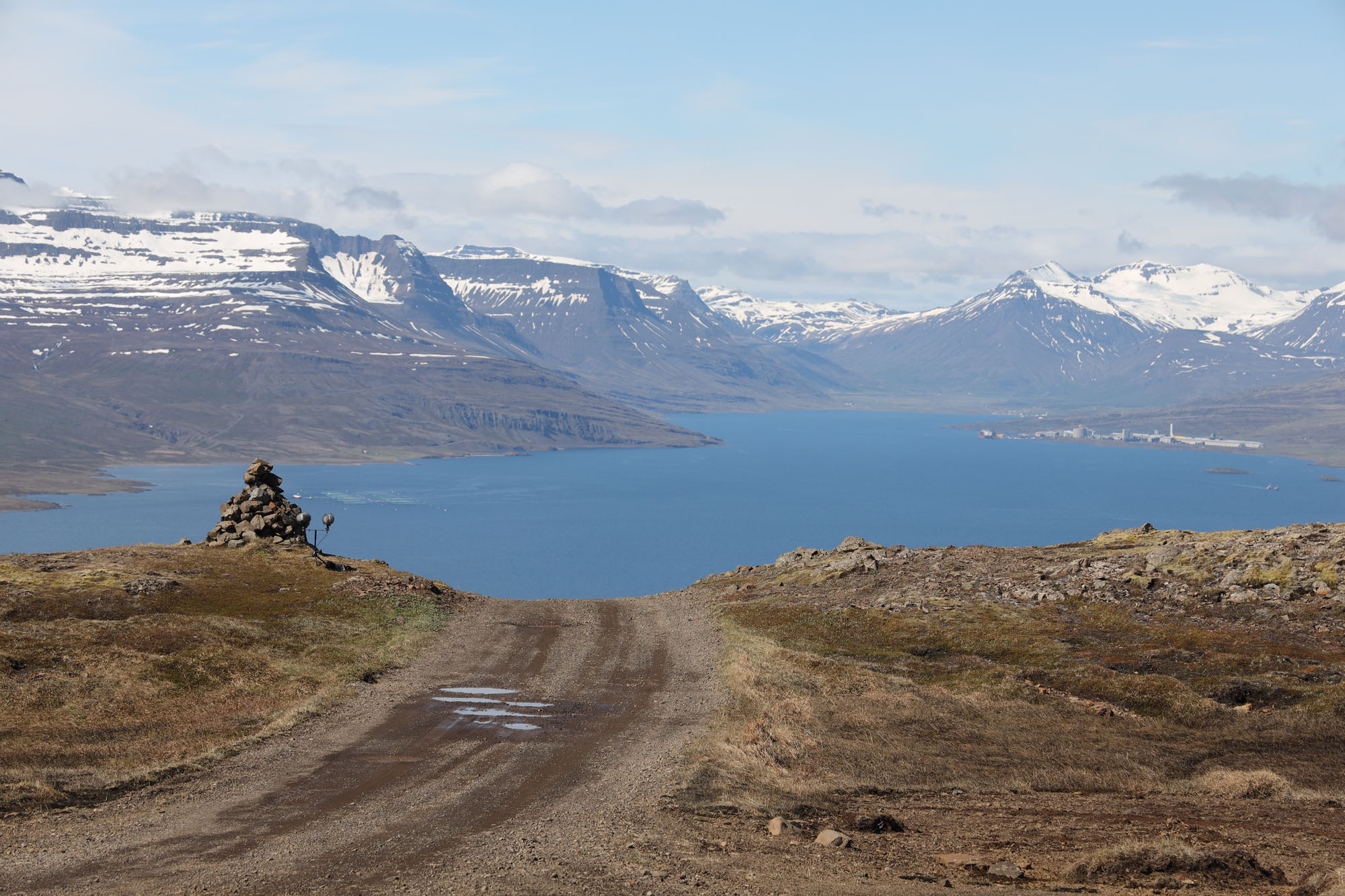
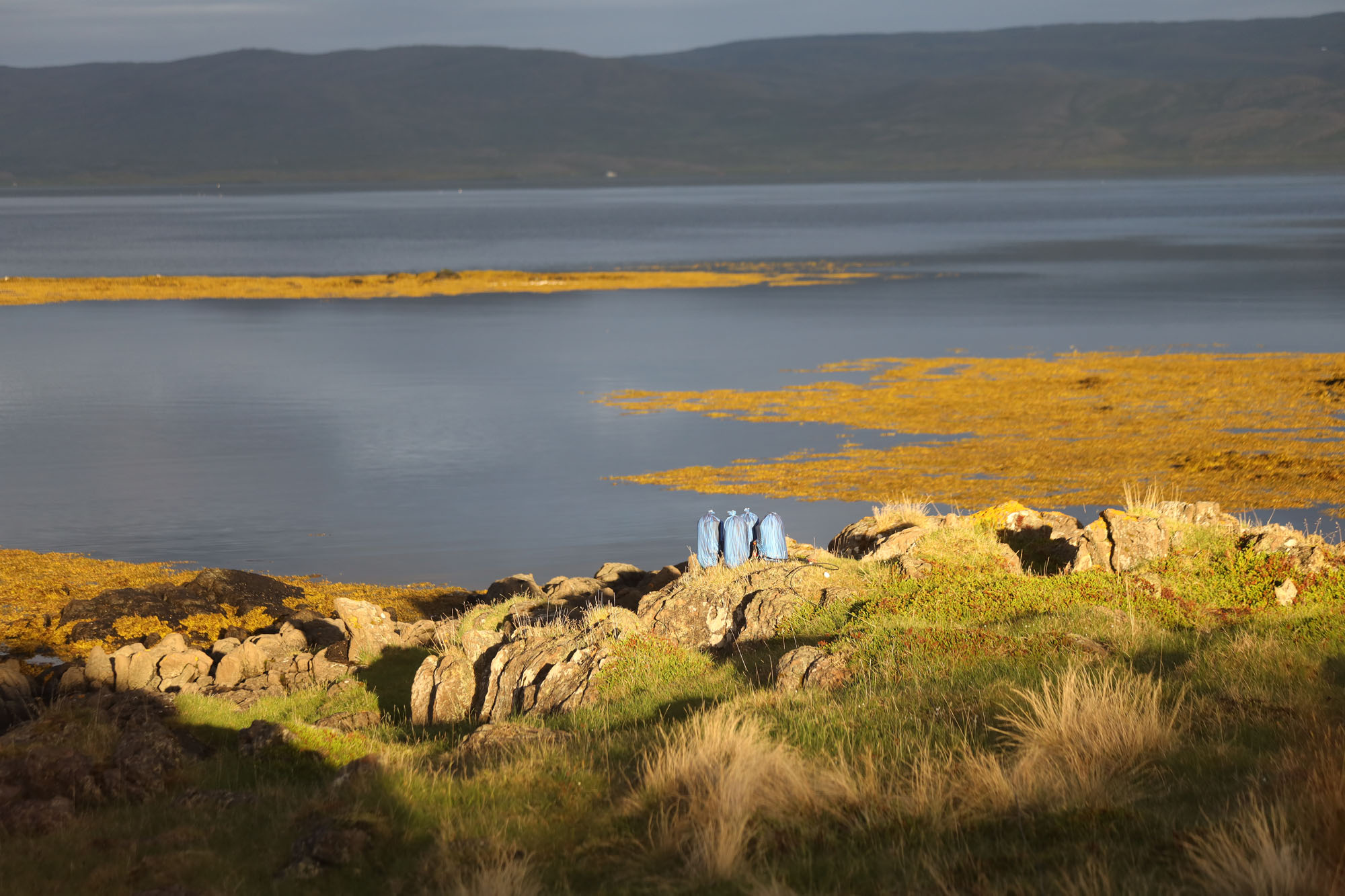
This recording was recorded in quite a bit of wind. I therefore had to hide the microphones behind a small stone cairn which in a way affects the recording and is heard differently in different headphones. It was a total coincidence that I heard this HUM because I was not walking or riding a bicycle, but in a car, which usually takes away all natural experience.
There at the top of the Vikurheiði heath I decided to stop and brew myself a coffee. That’s how I became aware of the HUM that filled the air around me. I somehow couldn’t figure out where the sound was coming from. It was coming from literally all directions, but somehow I convinced myself it probably originated from the mountaintops beyond the fjord. I tried to listen for engine noise through this rumble noise, but it wasn’t exactly clear, except twice. 
The remarkable thing about this noise was that, considering the wind and turbulence in the air, the sound was surprisingly loud. Not least if the sound originated from the aluminum plant in Reyðarfjörður, which was 17km away (in a straight line). Later that day it was confirmed that this noise was not heard from the aluminum plant.
Out in the fjord were two feeding or service boats around aquaculture. But they weren’t moving so the sounds were hardly coming from there.
At the pier by the aluminum plant there was a large bulk ship that turned its exhaust pipe towards me. But it was motionless the entire 3 hours I was up on the heath, so the sounds definitely didn’t come from the ship’s main engines.
The only explanation I have for the origin of these sounds is probably this:
The mountain slopes in Reyðarfjörður are many shaped like parabolas. They can therefore amplify sounds in certain places and directions. I therefore assume that the sounds came from the bulk ship’s generators, mixed with traffic noise in the fjord, as well as noise from the aluminum plant.
It can be assumed that this HUM will be heard differently in different headphones or speakers. Therefore, it should not be surprising if some listeners are disappointed.
Quality open headphones are recommended while listening at low to mid volume.
If the media player doesn’t start to play, please reload this individual blog in a new tab or frame.
More about this phenomenon „Global HUM
My erlier „Hum“ recording „Waste of power

(mp3 265kbps / 55Mb)

Recorder: Sound devices MixPre6
Mics: Sennheiser MKH20 (AB45)
Pix: Canon EOS-R

Location: 65.023528, -13.758306
Date: 20th of June 2024
Weather: Partly cloudy, 8°C, 1-5 m/sec

Read Full Post »

IMG_2200

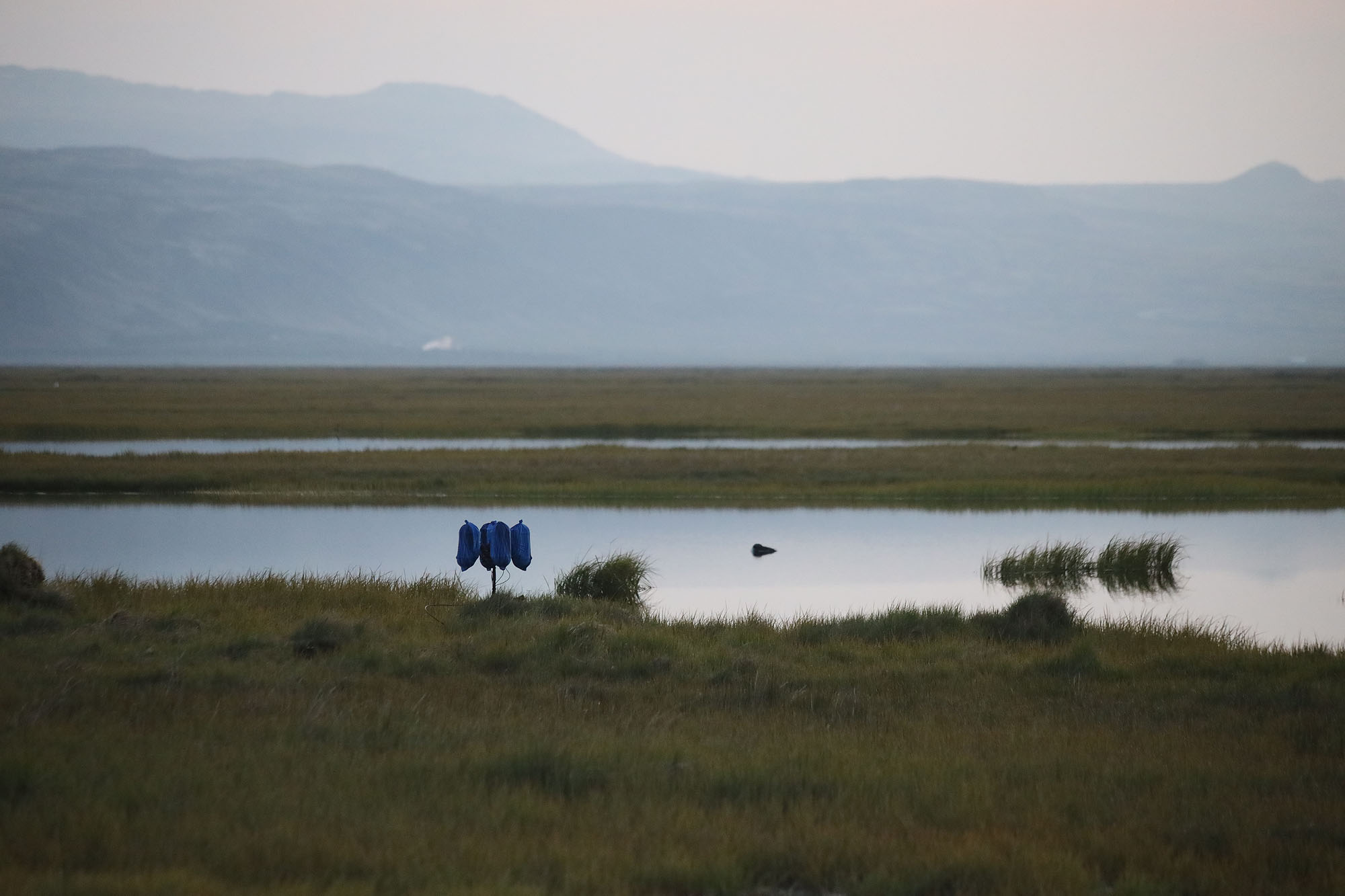
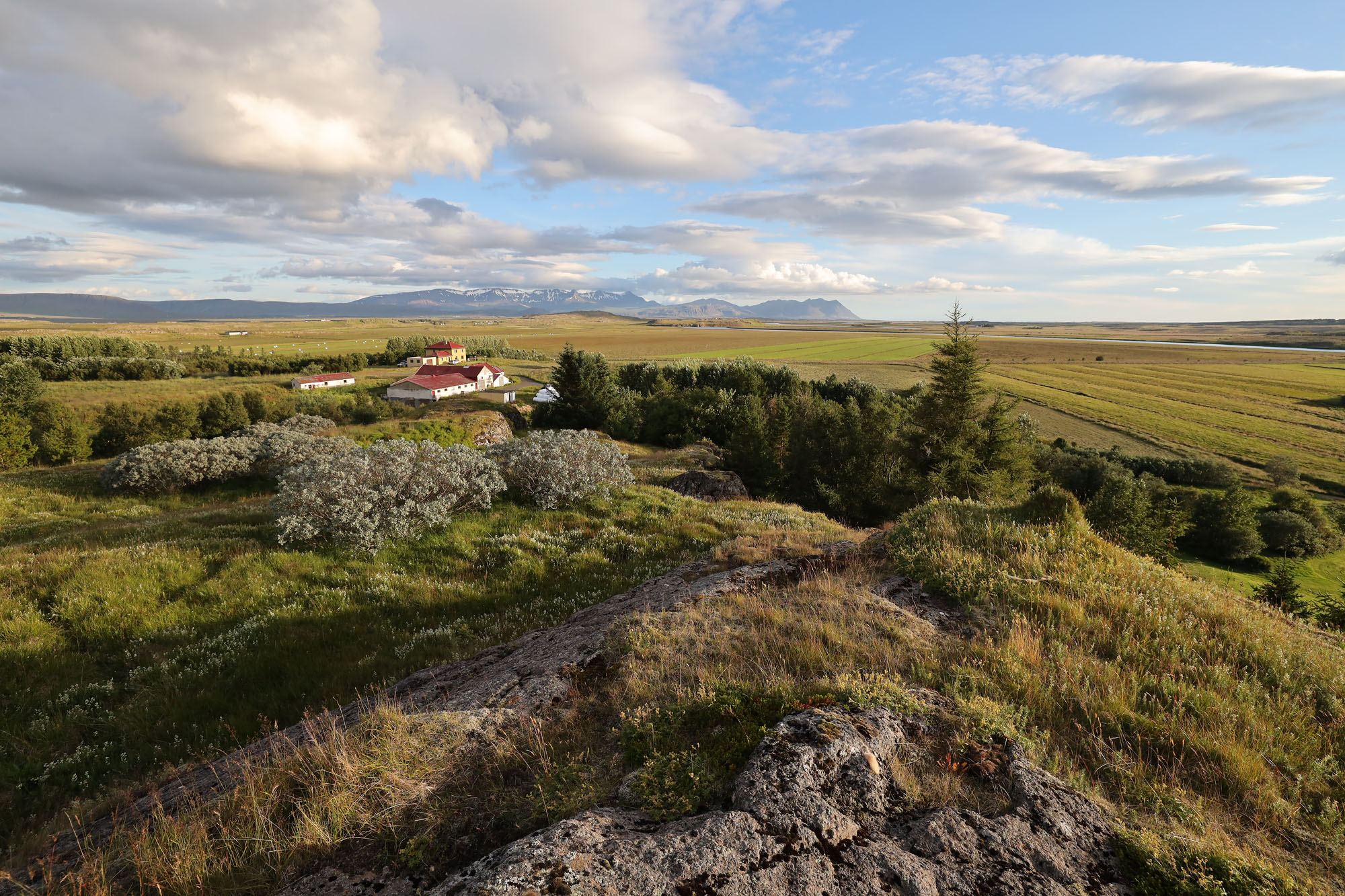
I think I have annual recordings from the same place in the nature reserve in Flói in southwest Iceland almost since 2009. The reason is simple. It’s always interesting to follow the local acoustics from year to year. So I don’t have to spend a lot of time finding a location for the microphone. They stand in the same place unless something else disturbs it, e.g. high ground water level or something else that hasn’t yet happened to me. I go to the place hoping that there is no one in „my place“ in the parking lot where I can pull out my 75 meter 4ch long cable to the place where I have always recorded. I find a good ground for the microphones, get in the car, start recording and go to sleep.
I usually wake up when someone comes driving into the parking lot about 4-6 hours later.
I usually never listen to what I recorded, except when I need to look for something interesting to post on this audio blog like now.
It is well worth having a recording from Flói this month when 15 years have passed since this audio blog went online. Flói has followed this blog ever since I got my first HD recorder. It was then that the batteries suddenly lasted longer than 30 minutes, but it opened up a whole new world for me to record in nature.
Here is an audio recording from June 13, 2023. The area was extremely wet after heavy rains. I positioned the microphones to be in close proximity to the Read necked phalarope. But maybe there wasn’t as much activity as I wanted. But instead you can hear various sounds that I am not quite sure where they are coming from. There are weak „clicks“ that can be heard e.g. for 1:30 min in this recording as well during the 30 minutes that the recording lasts.
As usual, there are many species of birds in Flói. Red-throated Loon. Red-necked Phalarope, Common Snipe, Golden Plover, Whimbrel, Common Eider and certainly other duck species as well. Common Redshank, White Wagtail, Winter Wren, Northern Wheatear, Common Redpoll, Snow Bunting, Swan and maybe other bird species that I cannot name.
Background noise is some traffic and surf from the south coast and air traffic.
You can hear it occasionally in the wind because I covered the wind shield with buff but not fur. Instead, you can hear much better in subtlety details.
This is an extremely low-key recording, except where you hear the Red-throated Loon. The recording was recorded with 50db gain (40Hz HPF), then the gain was further increased by +10dB in post-processing.
Quality open headphones are recommended while listening at low to mid volume.
If the media player doesn’t start to play, please reload this individual blog in a new tab or frame.

(mp3 256kbps / 64Mb)

Recorder: Sound devices MixPre6
Mics: Lewitt LCT540s (IRT cross 90°/30cm)
Pix: Canon EosR

Location: 63.900935, -21.191930
Weather: Cloudy, calm, about 5°C

Read Full Post »

IMG_2200

Here is one of those recordings that I record without being directly aware of what will come out of it. Equipment is placed in a suitable location where the wind was minimal and left there for 30-40 minutes while taking a walk. So I really don’t know what is being recorded until much later when you have time to listen and process the recording.
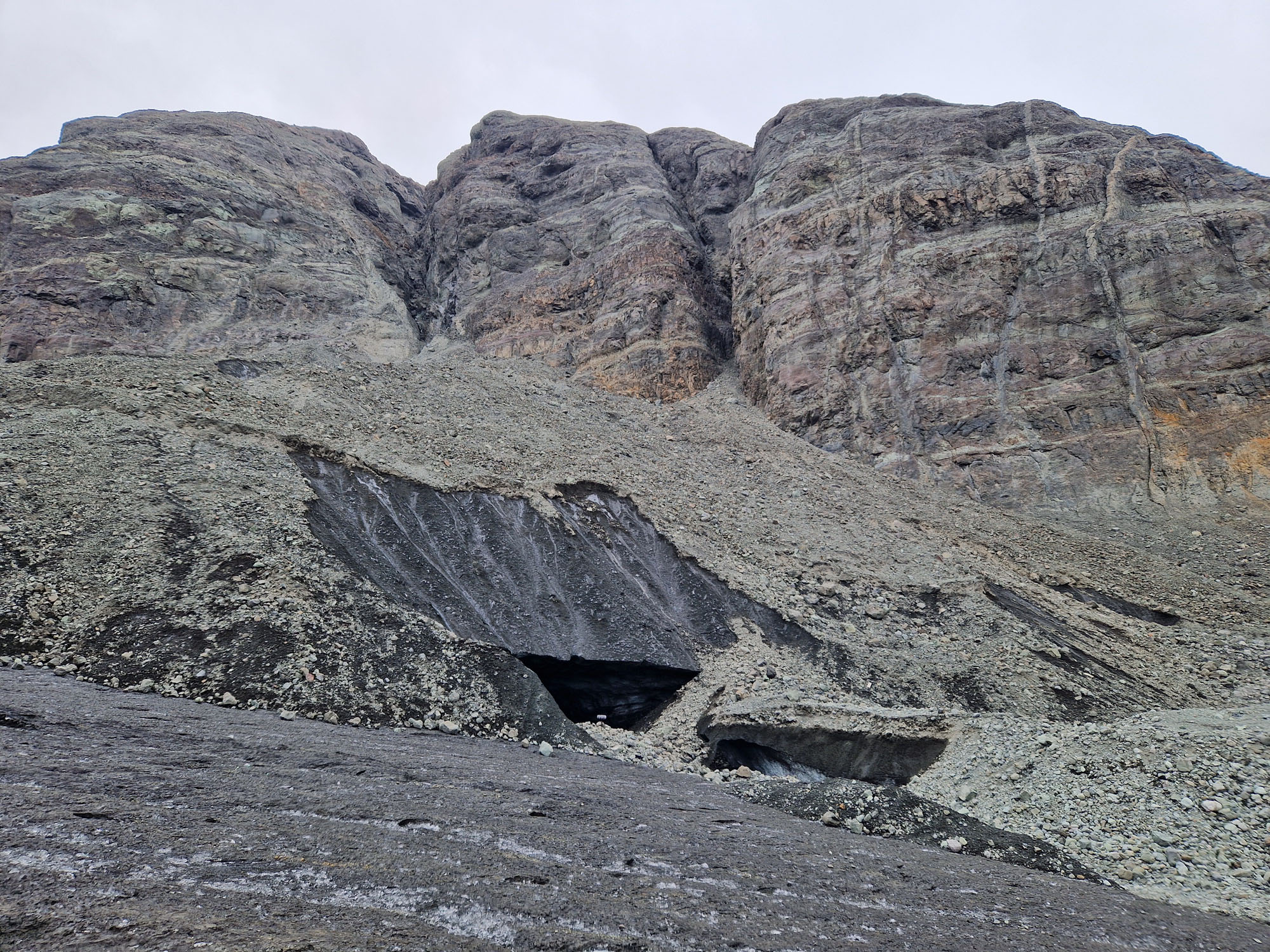
In fact, I knew of a rockfall at this location and was rather afraid about leaving the equipment behind, because the ice cave that the recording equipment was in might as well collapse. Then there would be a mud and rock slide from the mountain slope that would submerge everything.
This ice cave was at the end of Breiðamerkurjökull icefall, in a place where the glacier was probably 300 meters thicker only 40 years ago when I first came to this part of Iceland. Now the glacier is not more than dirty, „dead“ ice. A lot of it is buried under sand and rocks.
For centuries, the glacier has scraped the slopes of the mountains in Suðursveit. When the glacier retreated, gravel and rocks fell from the mountain slopes on the glacier below, which then formed a thick insulating layer over the ice closest to the mountain slopes. Under normal circumstances for centuries, the advance of the glacier would have carried this gravel down to the glacier toe. But the glacier has for two decades stopped advancing in this place. The glacier has lost all its mass so it will not crawl anymore in this place. The glacier lies flat and dirty towards the sun in the south, thin and melts rapidly. However, the ice that is covered with gravel and rocks melts much more slowly. Therefore, e.g. still possible to see ice high up on the mountain slope of Vestur Miðfell, although it is probably 30-40 years since the glacier was there and reach so high in the mountain slope
The pleasant surprise of this recording was that the wind did not interfere with the recording. You can hear mudslides sliding down the ice-covered mountain slope with all kinds of sounds that sometimes remind of car traffic. Sharp clicks in the rock as it bounces all around the mic and in good headphones you can hear the rock bouncing over the mic.
You will hear people speaking in the distance, which was several hikers coming from the glacier.
You might hear a lot of „white noise“ in this recording but it is mainly coming from nearby rivers, the wind and rapidly melting glaciers which are usually astonishingly noisy when they melt fast .
Quality open headphones are recommended while listening at medium to high volume.
But be careful. This recording has a high dynamic range and can damage both speakers and your hearing if it is played too high.

(mp3 256kbps /62Mb)

Recorder: Sound devices MixPre6
Mics: Sennheiser MKH8020/8040. (2x2ch Baffled AB35)
Pic. Samsung S22

Location: 64.134056, -16.226150
Weather: cloudy, dry, up to 8 m/sec, 7°C,

Read Full Post »

IMG_2200

The summer of 2023 was difficult when it came to recording nature sound. It was always windy, except for a few moments here and there. So I got only a few recordings that I was satisfied with. But this summer 2024, the weather was even worse. The summer started with a snowstorm in the north of the country when many migratory birds had started nesting and everything disappeared under the snow. Actually the whole summer has been both cold and wet, which will not change now in late August .
I haven’t asked any experts in that field, but in my opinion, birdlife has been extremely dull or quiet all over the country. That’s why everything I recorded this summer in places where I should have heard a rich birdlife is almost nothing, except wind and rain sound recorded in temperature between 0-7 °C.
Keep in mind that when the wind exceeds 2-4 m/sec, many sounds that could otherwise travel long distances disappear. In addition, sounds that travel a relatively short distance sound much further away than if it were calm.
On June 1, 2024, I began to realize the situation because I had not been able to record bird life for a whole month of May due to the weather.
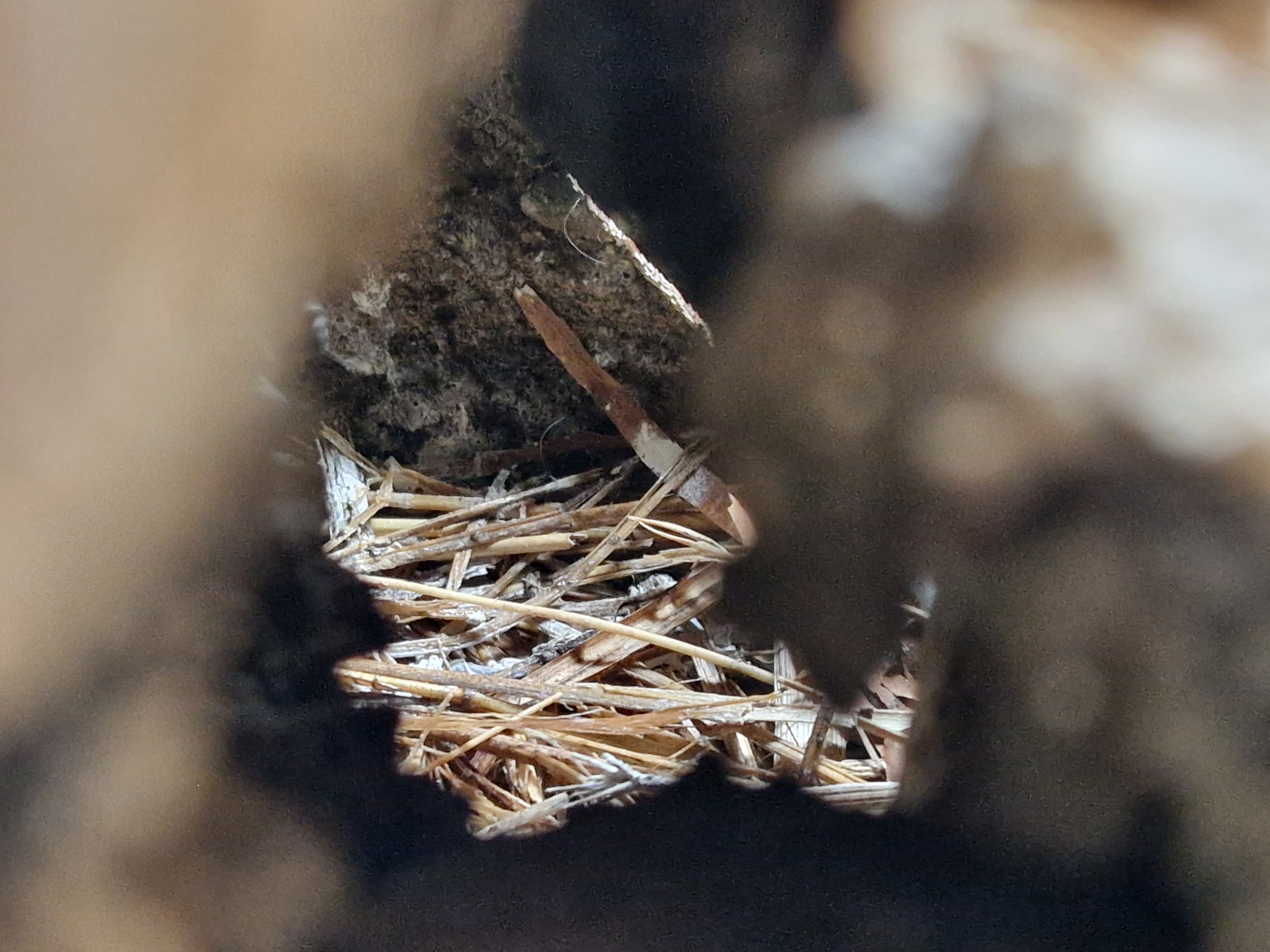
So I took the opportunity when I noticed a starling nest inside a wall in an abandoned barn to record a birdlife inside. I was able to record through a small hole in the wall but the bird had access to the nest on the outside.
I used a Nevaton MC50 quad and a Zoom F3 recorder, but made the mistake of recording in X/Y rather than in MS. I say that because the weather sound in this barn was no less interesting than what happens in the starling’s nest.
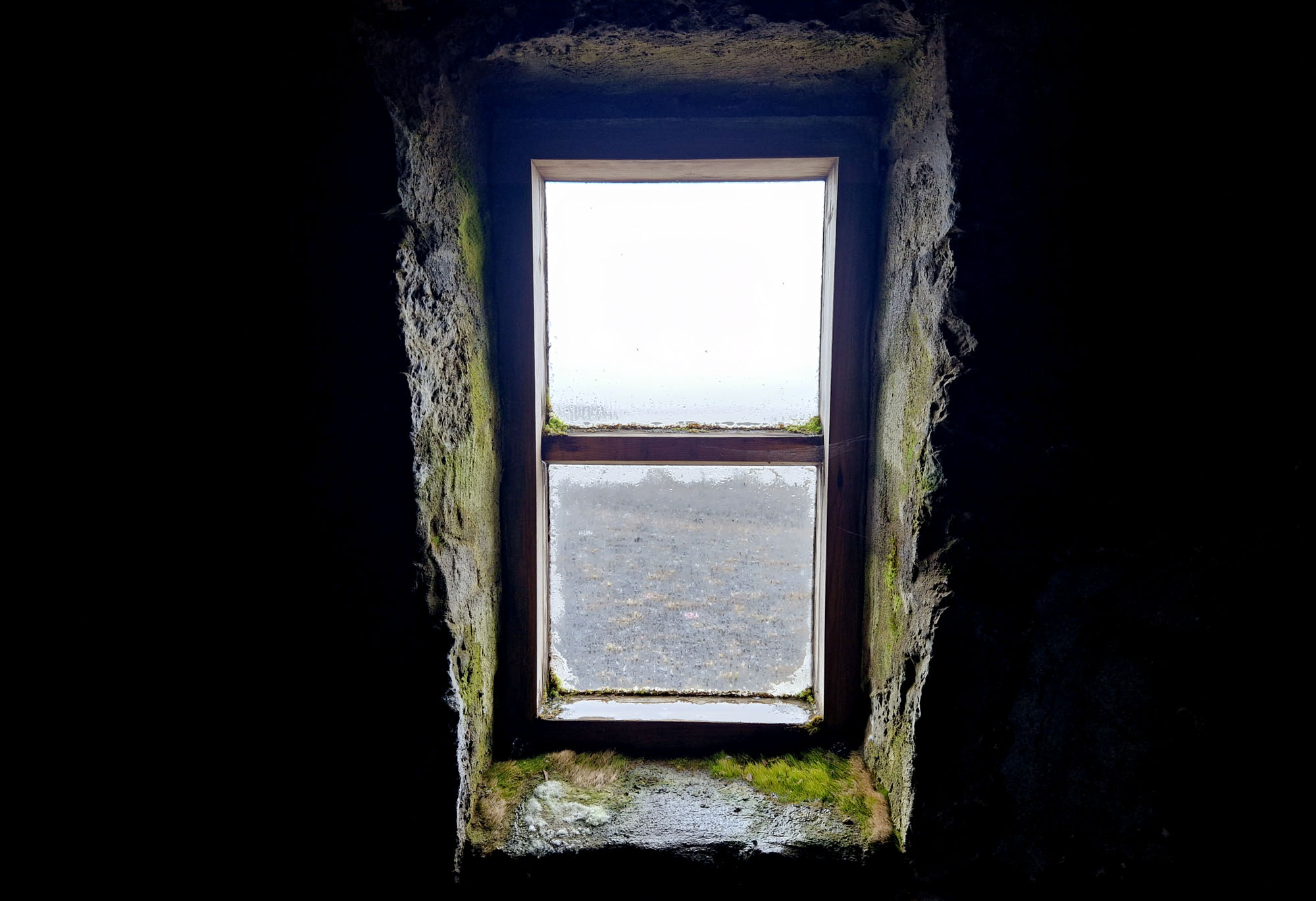
The background noise is primarily from trees blowing in the wind outside. Some of the windows in the barn are covered with plastic film, so from them comes the sound of drums in gusts and sometimes you can hear rain. You can hear a few migratory birds outside, but otherwise it’s not very lively
Because I record this in a tight situation, close to a corner, I don’t seem to have placed the microphone in the best place. There is therefore not a perfect balance between the right and left channels plus the stereo image is rather tight.
But let’s not let that distract the audience.
Quality open headphones are recommended while listening at low to mid volume.
If the media player doesn’t start to play, please reload this individual blog in a new tab or frame.

  (mp3 256kbps / 63Mb)

Recorder: Zoom F3
Mic: Nevaton MC50Quad  (in XY setup)
Pix: Samsung S22

Weather: Drizzle rain, wind 4-10m/sec, about 5°C
Location:  64.673779, -21.630119 

Read Full Post »

IMG_2200

It took me a while to make that decision to put this recording on the web. Mainly because then I would normally have had to tell about the recording location.
But I’m going to say as little as possible, even though the story of the location is for me more interesting than this recording.
The location will therefore be a mysterious part of this recording.
The reason I don’t want this place to be attractive is mainly because then I am sure this place is likely to be destroyed.
Every time I visit this place it is like the time is standing still.
In some weather conditions, getting to this location from a busy road can be like going through a time machine.
Quite a few people know about this house, and it’s not quite in the public eye today.
This is a stone-clad house, built in 1883. It was supposed to serve as a shelter for travelers and mail carriers, but it fell into disuse because of ghosts.
I have been coming there regularly for nearly 40 years, mostly before the turn of the century in my bicycle tours, sometimes staying overnight and seeking shelter, or just sweeping the floor and writing in the guest book. The place is therefore quite dear to me.
The weather in Iceland so far this summer has been both cold and windy, and although I am much better equipped for traveling today than I was last century, I felt the need to seek shelter at the house this summer. There were quite familiar sounds in the house that I recorded there in 3 different places. Here is one of those recordings. Rain and wind hit the windows intensely and the front door from time to time, which is most likely the ghost knocking the door.
Quality open headphones are recommended while listening at low to mid volume.
If the media player doesn’t start to play, please reload this individual blog in a new tab or frame.

(mp3 256kbps / 57Mb)

Recorder: Sound devices MixPre6
Mics: Sennheiser MKH8020/8040 (Baffled AB40)
Pix: Samsung S22

Weather: 7°C, rainy, windy 5-10 m/sec

Read Full Post »

IMG_2200

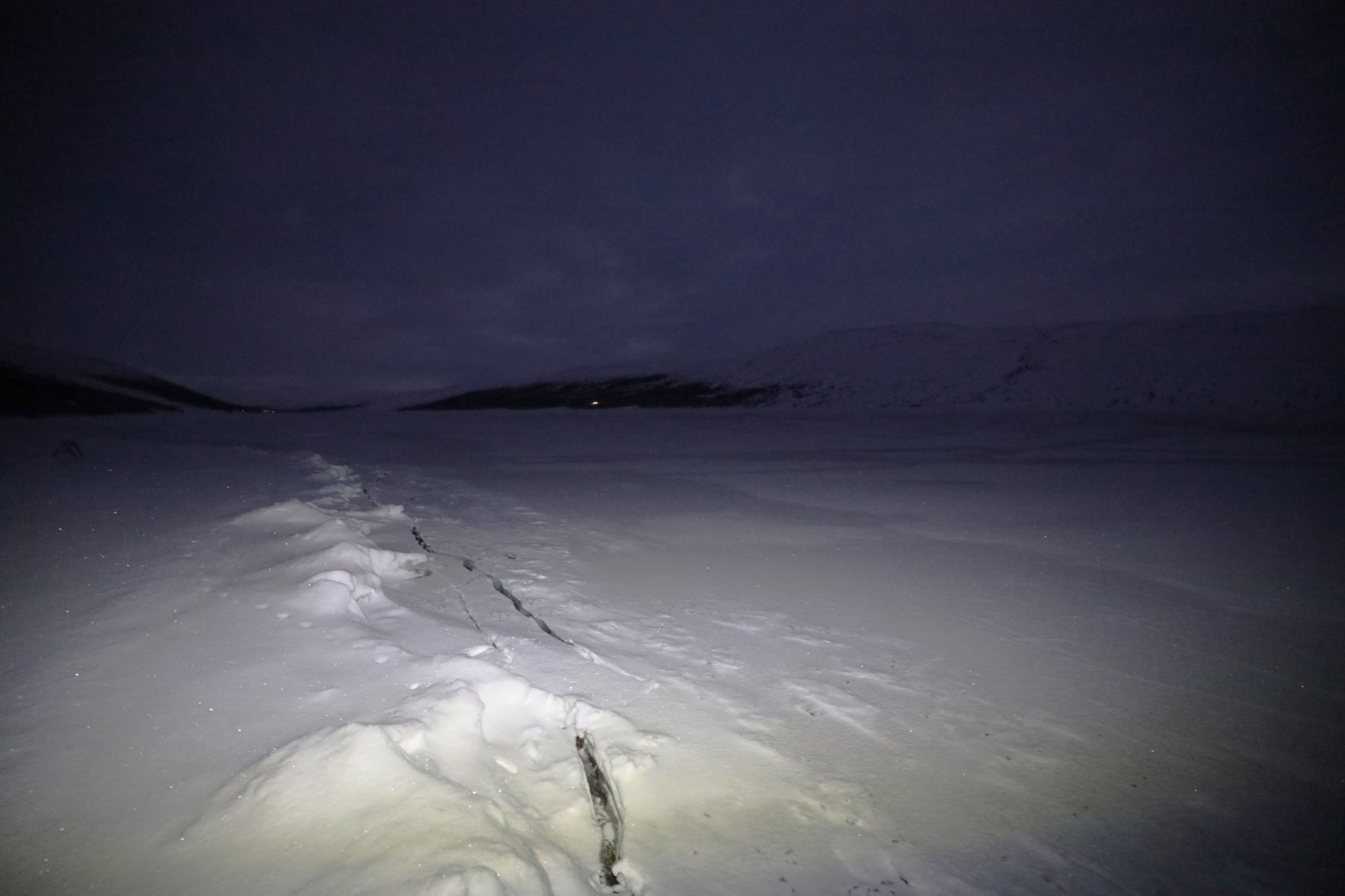
Skorradalsvatn lake is located in the western part of Iceland, about an hour’s drive from Reykjavík. In the winter of 2023, I had the opportunity to record under the ice under ideal weather conditions. That was in good wind and good frost after 2-3 weeks of frost.
The winter of 2023 to 2024 was similar in many ways when looking at temperature numbers, but I only managed to record under the ice once.  It was calm weather and the ice therefore did not make any sounds.
But then just a few days before the spring arrived there was one windy weekend so I made a trip to the lake even though I knew the frost had only lasted more than a week.
When the lake was reached, the ice was solid, but quiet in all this the wind, which indicated that it could be soft and not human-proof. Among the banks were many polynyas with broken ice.  This broken ice was turbulent due to currents and under waves from the ice-covered water.
It was therefore stupit to try to get out on the lake, even though the ice seemed thicker there. I was also traveling alone, so no risks were taken this year.
This turbulent dancing ice in the polynyas makes pleasant natural music. So I had not come to the place to do nothing. There was considerable wind or about 12-20 m/sec. But what saved me was a wooded mountainside behind me so the wind was not constant, but occasionally came in with strong gusts.
The wind made a lot of pink noise in the forest. Quiet microphone was therefore not important. Two cardioids would have been the best choice for this project, but I did not have them in a good windshield.  I simply chose the one that suited the weather best. It was my home-made Primo EM172 Binaural/baffled stereo microphone which I put on ice close to the one polynya.
When I got home, things got worse. The gusts had been so strong that even my best set of mics for these conditions failed.
I don’t have Advanced Izotope RX, so I don’t have the De Wind plugin, which is sorely missing from the RX Standard version. So I got my soulmate in sound, Buzby Birchall to run the recording through his RX De Wind software. The result was interesting and made me feel like I didn’t really need to own or use the RX De Wind. After I had set the HPF on the original recording to 111Hz / 1.7oct, the recording was „no worse“ than the one that had received the RX De Wind treatment. However, you could clearly hear that the HPF recording had a bit more wind noise below 200Hz, but on the other hand, other details sounded somehow better and tighter than on the De Wind recording. When inspecting the Spectrogram, it was clear from the De wind recording that frequencies below 100Hz had somewhat deteriorated, also slightly below 1.2Khz. This visible attenuation was not audible in all headphones, but was audible in the HD650 headphones at 24bit/48Khz.
Below are both the HPF version and the DeWind version.
Feel free to judge the difference and comment below.
Quality open headphones are recommended while listening at low to mid volume.
If the media player doesn’t start to play, please reload this individual blog in a new tab or frame.

HPF file (mp3 256kbps / 33.3Mb

DeWind file (mp3 256kbps / 33,3Mb)

Recorder: Zoom F3
Mics: DIY Stereo mic. Double Primo EM172 capsules in AB baffled/binaural setup
Pix: Samsung G22

Weather: Cloudy, wind between 12-20 m/s, about -5°C
Location: 64.513802, -21.410157

Read Full Post »

IMG_2200

Last summer 2023 I went to a place I haven’t recorded much. Was it at Strandir in northwest Iceland. A friend invited me to stay in an apartment for a few days in Drangsnes, so I tried to use the time as well as I could for field recordings in the area.
It actually didn’t go very well. I had come down with a bad flu the same week as summer vacation started so I had little to no energy for many weeks. I was also facing another problem. The whole time I was in the area there was a strong wind except for maybe 1-2 hours during some nights. It was also rather cold, so nature was rather silent. Much of the material I caught these days was therefore not particularly interesting.
However, I had the opportunity one calm night to record a nice peace at the coastline. Part of it is here below. It’s very likely that I will put more of this recording on the web later, because the soundscape changed a bit during the 3-4 hours I was recording.
It is the summer solstice so it is therefore bright all day long. The recording starts at 23:45 and ends at 00:20 o´clock.
This is a typical soundscape in fjords in northern Iceland and in fact everywhere around the arctic circles.
This is a high gain recording.  Recorded at +50 db. Then add about 20dB up to -7dB peak RMS. No noise reduction in post. Just fade in and out.
Many bird species are in this recording. There was several gull species, at last great black backed gull. Arctic tern, common eider, whimbrel, European golden plover, red throated loon, Common loon, arctic puffin and Eurasian oystercatcher. Sheep were not far away and seals were lying on rocks near the beach.
Quality open headphones are recommended while listening at low to mid volume.
If the media player doesn’t start to play, please reload this individual blog in a new tab or frame.

(mp3 256kpps / 63Mb)

Recorder: Sound devices MixPre6
Mics: Lewitt LCT540s (IRT cross – 30cm/90°)
Pix: Samsung S22

Weather: Calm, cloudy, about 7°C
Location: 65.692865, -21.558621

Read Full Post »

IMG_2200

I do quite a bit of recording music, so it would be nice to be able to publish some of it here, especially music that I think is extremely well played and where the recording has been successful. For example, I have often wanted to put classical music on the web in December and January. But professionals have little interest in giving permission for this, possibly because I only ask these people once.
So I’m going to share different music instead, which is even more beautiful than all music, but it’s birdsong in the spring.
Here is a recording from last spring that I had forgotten I had recorded.
I had a Zoom F3 device recording in several places almost non-stop for several days in Stafholtstungur, western Iceland. I used Rode NT1 microphones and set them up to NOS 90°/30cm. It can hardly be considered the best setup for such long nature recordings. The reason is that sounds such as background noise from the wind, rustling of leaves, running streams and traffic can change a lot in 24 hours, so the sound pressure between channels can easily go out of balance. It can even be detected in this recording. Some traffic can be detected at a distance of 5-10 km in the (left) channel. That’s why it’s usually best to record in AB 40-50cm, if you’re going to record for a long time.
But since I primarily record natural „silence“, there are not many microphones that handle silence well and the ones that do it best are all cardioid, which has led me to start recording a lot in IRT (4ch 90°/30cm)
In some cases, it is possible to set the cardioid up to AB 40-50cm, but you cannot do that unless you intend to record from one direction. In this place the sounds were coming from all directions so it was not available.
It’s a low-key recording, actually amplified silence. Recorded at „Zoom gain at 256“ and HPF 40hz. In post-processing the recording was normalized (+25) up to -7dB 
There is a lot of recorded material here that I feel is a shame to be forgotten on hard disks, so I’m going to allow myself to call this „Part 1“ because Part 2 and 3 and more also need to get here on the web.
The footage will therefore not be exactly from the recording location, but not further than 500 meters away.
Quality open headphones are recommended while listening at low to mid volume.
If the media player doesn’t start to play, please reload this individual blog in a new tab or frame.

(mp3 256kbps /66,5Mb)

Recorder: Zoom F3
Mics Rode NT1 (NOS 90°/30cm)
Mics: Canon EOS R
Weather: Calm, partly cloudy, around 7 to 10°C

Read Full Post »

IMG_2200

One of the things I’m quite interested in is recording space weather or „auroral chorus“ with a ELF/VLF receiver.
This space weather is electrically charged particles coming from the sun into the upper atmosphere, the same ones that form the northern lights, or Aurora.
The receiver therefore only detects radio frequency on a very long wavelength or at 20hz up to 20Khz
The problem, however, is that I have never been able to devote enough time to this hobby. So I don’t have many recordings of this material.
It is not enough to have a lot of equipment. I really need to have knowledge of the subject to get what I want. To be in the right place and time when events happen in the solar system and in the Earth’s thermosphere. In addition, I am always busy not letting technical ignorance affect the quality of recordings, so knowing antenna theory and receiver design is also important. But in antenna studies I know nothing, especially because of my poor math skills.
Due to lack of time, I did not even build the tuner, which is though very simple, so I bought a tuner from Stephen P McGreevy. That receiver is made for two loop antennas, so it is possible to record in stereo.
Through poor skills, I have prepared two types of antennas. One is built according to Stephan’s specification, which is nice in many ways, but takes on too much wind which sometimes interferes with the recording. Then I have make another one that unfortunately produces (or receives) a lot of „pink noise“. But that antenna is fast to set up and very convenient for finding the right X/Y axis for stereo recording.
But not everything is counted. As well as air and noise pollution from people, there is also an enormous amount of strong electrical pollution everywhere in human settlements, literally in all frequency ranges. So I also need to find places where there is little or no electrical pollution. I’m also not allowed to be near tall trees or high mountains. High voltage lines, radio transmitters and electrical fences must be many kilometers away. It therefore puts a lot of strain on patience and long journeys that are often fruitless. I therefore try to use the time I use for nature recordings to record simultaneously VLF space weather recordings.
It was just the other day that I discovered a place incredibly close to Reykjavík that was remarkably free of electrical pollution, as well as a request from a composer and two musicians for a recording, that made me see if I could pull out the equipment and start recording something. Probably make better antennas.
But as  the sun is quite calm these days, actually these months and years according to the „annual solar cycle„, it could be a difficult task to get a good recording.
Therefore, here is a recording from mid August 2017, recorded at Skeiðarásandur south east Iceland. The recording location is far from mountains and human settlements, several kilometers from the nearest high-voltage line or electric fence . It was therefore relatively easy to clean electrical pollution from the recording. However, you can see in spectrogram (and hear) various weak radio signals and pulses, but most of them are above 15Khz.
This is not a „strong“ recording. In a real solar storm the „sparking sound“ is more powerful with more depth and colorful sounds. My favorite sound in space weather recordings is „Whistler„. I have only heard it once with my equipment, but Iceland is actually not located on the best latitude.

(mp3 256Kbps / 60,8Mb)

Recorder: Olympus LS10
ELF/VLF Receiver: WR-9STL
Antenna: Two 3 meters high triangle loops, X/Y setup on carbon fiber boom pole

Location: 63.970253, -17.160061
Weather. Calm, dry, cloudy

Build a simple BBB4 receiver

Read Full Post »

IMG_2200

It doesn’t happen often that my recordings are „interrupted“ by animals. But it happened last weekend when I was recording at my traditional place in Stafholtstungur in western Iceland. This time it was mice that seemed to gnaw the rubber on the tripod or the cables that ran up to the microphones. When the recording had been going on for three hours and it was 3 o’clock in the morning, the commotion in the mice started to keep me awake. It was as if they had gnawed a hole all the way into the windshield. So I went out and gave them a piece of cake next to the microphone stand. That made them stop biting the microphones. Instead, they started gnawing on the cake, which you can clearly hear after I brought the slice of cake.
This is traditional night silence. The background noise is mainly the wind in the leaves as well as the traffic of individual cars several kilometers away. I did not clean the internal mic noise in this recording as there is no need for it. Here it was recorded with 48dB gain on SD788 and in post-processing the volume was increased by +10dB up to peak -5dB.
Quality open headphones are recommended while listening at low to mid volume.
If the media player doesn’t start to play, please reload this individual blog in a new tab or frame.

(mp3 256kbps / 58Mb)

Recorder: Sound devices 788
Mics: Lewitt 540s, IRT cross setup
Pix: Canon EOS-R
Weather: Calm, about +4°C
Location: 64.155417, -21.834806

Read Full Post »

« Newer Posts - Older Posts »