Feeds:
Færslur
Athugasemdir

Posts Tagged ‘Vindur’

IMG_2200

It took me a while to make that decision to put this recording on the web. Mainly because then I would normally have had to tell about the recording location.
But I’m going to say as little as possible, even though the story of the location is for me more interesting than this recording.
The location will therefore be a mysterious part of this recording.
The reason I don’t want this place to be attractive is mainly because then I am sure this place is likely to be destroyed.
Every time I visit this place it is like the time is standing still.
In some weather conditions, getting to this location from a busy road can be like going through a time machine.
Quite a few people know about this house, and it’s not quite in the public eye today.
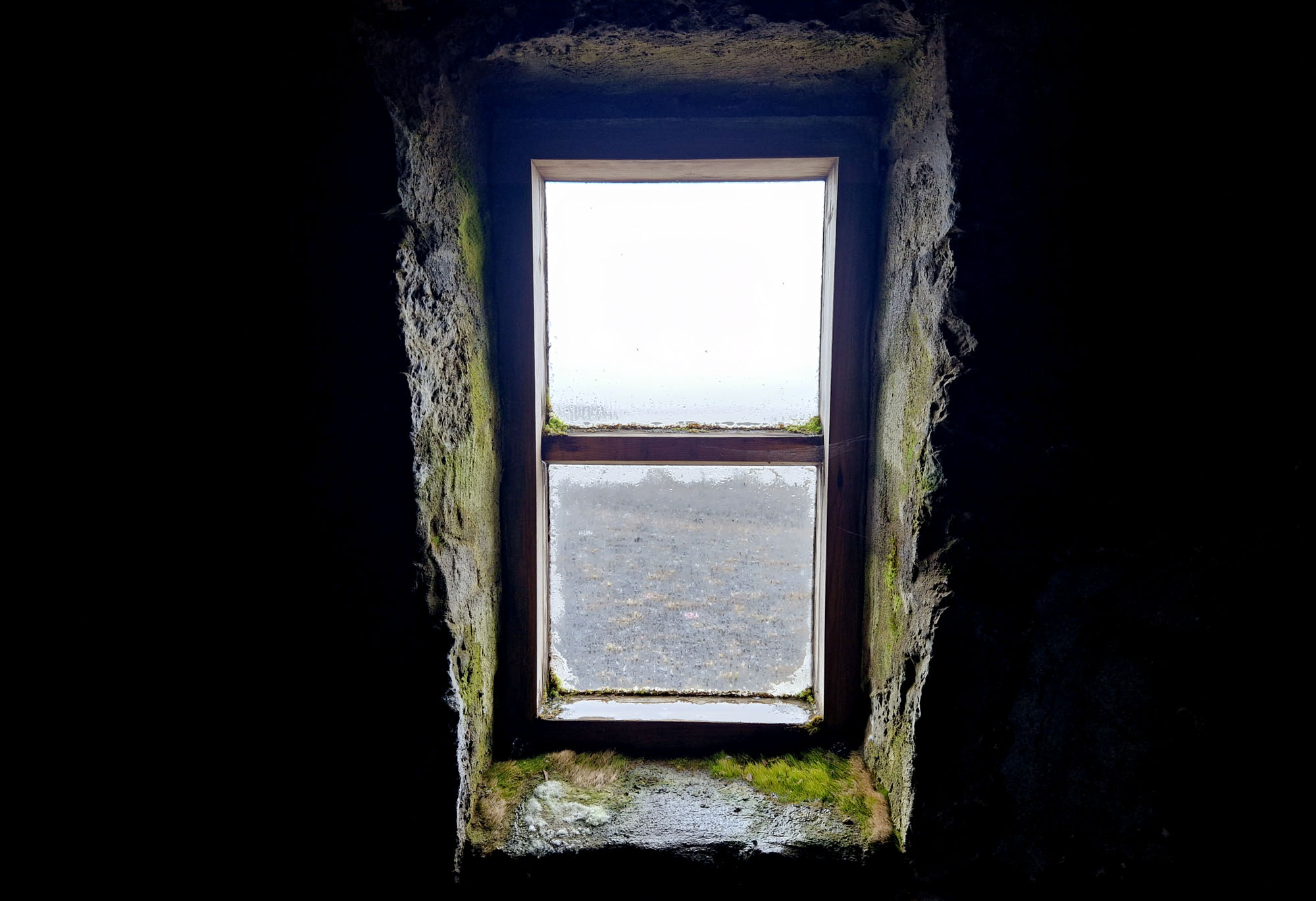
This is a stone-clad house, built in 1883. It was supposed to serve as a shelter for travelers and mail carriers, but it fell into disuse because of ghosts.
I have been coming there regularly for nearly 40 years, mostly before the turn of the century in my bicycle tours, sometimes staying overnight and seeking shelter, or just sweeping the floor and writing in the guest book. The place is therefore quite dear to me.
The weather in Iceland so far this summer has been both cold and windy, and although I am much better equipped for traveling today than I was last century, I felt the need to seek shelter at the house this summer. There were quite familiar sounds in the house that I recorded there in 3 different places. Here is one of those recordings. Rain and wind hit the windows intensely and the front door from time to time, which is most likely the ghost knocking the door.
Quality open headphones are recommended while listening at low to mid volume.
If the media player doesn’t start to play, please reload this individual blog in a new tab or frame.

(mp3 256kbps / 57Mb)

Recorder: Sound devices MixPre6
Mics: Sennheiser MKH8020/8040 (Baffled AB40)
Pix: Samsung S22

Weather: 7°C, rainy, windy 5-10 m/sec

Read Full Post »

IMG_2200

Skorradalsvatn lake is located in the western part of Iceland, about an hour’s drive from Reykjavík. In the winter of 2023, I had the opportunity to record under the ice under ideal weather conditions. That was in good wind and good frost after 2-3 weeks of frost.
The winter of 2023 to 2024 was similar in many ways when looking at temperature numbers, but I only managed to record under the ice once.  It was calm weather and the ice therefore did not make any sounds.
But then just a few days before the spring arrived there was one windy weekend so I made a trip to the lake even though I knew the frost had only lasted more than a week.
When the lake was reached, the ice was solid, but quiet in all this the wind, which indicated that it could be soft and not human-proof. Among the banks were many polynyas with broken ice.  This broken ice was turbulent due to currents and under waves from the ice-covered water.
It was therefore stupit to try to get out on the lake, even though the ice seemed thicker there. I was also traveling alone, so no risks were taken this year.
This turbulent dancing ice in the polynyas makes pleasant natural music. So I had not come to the place to do nothing. There was considerable wind or about 12-20 m/sec. But what saved me was a wooded mountainside behind me so the wind was not constant, but occasionally came in with strong gusts.
The wind made a lot of pink noise in the forest. Quiet microphone was therefore not important. Two cardioids would have been the best choice for this project, but I did not have them in a good windshield.  I simply chose the one that suited the weather best. It was my home-made Primo EM172 Binaural/baffled stereo microphone which I put on ice close to the one polynya.
When I got home, things got worse. The gusts had been so strong that even my best set of mics for these conditions failed.
I don’t have Advanced Izotope RX, so I don’t have the De Wind plugin, which is sorely missing from the RX Standard version. So I got my soulmate in sound, Buzby Birchall to run the recording through his RX De Wind software. The result was interesting and made me feel like I didn’t really need to own or use the RX De Wind. After I had set the HPF on the original recording to 111Hz / 1.7oct, the recording was „no worse“ than the one that had received the RX De Wind treatment. However, you could clearly hear that the HPF recording had a bit more wind noise below 200Hz, but on the other hand, other details sounded somehow better and tighter than on the De Wind recording. When inspecting the Spectrogram, it was clear from the De wind recording that frequencies below 100Hz had somewhat deteriorated, also slightly below 1.2Khz. This visible attenuation was not audible in all headphones, but was audible in the HD650 headphones at 24bit/48Khz.
Below are both the HPF version and the DeWind version.
Feel free to judge the difference and comment below.
Quality open headphones are recommended while listening at low to mid volume.
If the media player doesn’t start to play, please reload this individual blog in a new tab or frame.

HPF file (mp3 256kbps / 33.3Mb

DeWind file (mp3 256kbps / 33,3Mb)

Recorder: Zoom F3
Mics: DIY Stereo mic. Double Primo EM172 capsules in AB baffled/binaural setup
Pix: Samsung G22

Weather: Cloudy, wind between 12-20 m/s, about -5°C
Location: 64.513802, -21.410157

Read Full Post »

IMG_2200

I was recording at Breiðamerkurjökull when the weather forecast suddenly changed. It was nothing special, except that I had to row a kayak with another one in tow with a lot of recording equipment about 8 km on Jökulsárlón glacier lagoon before the weather would hit the area.
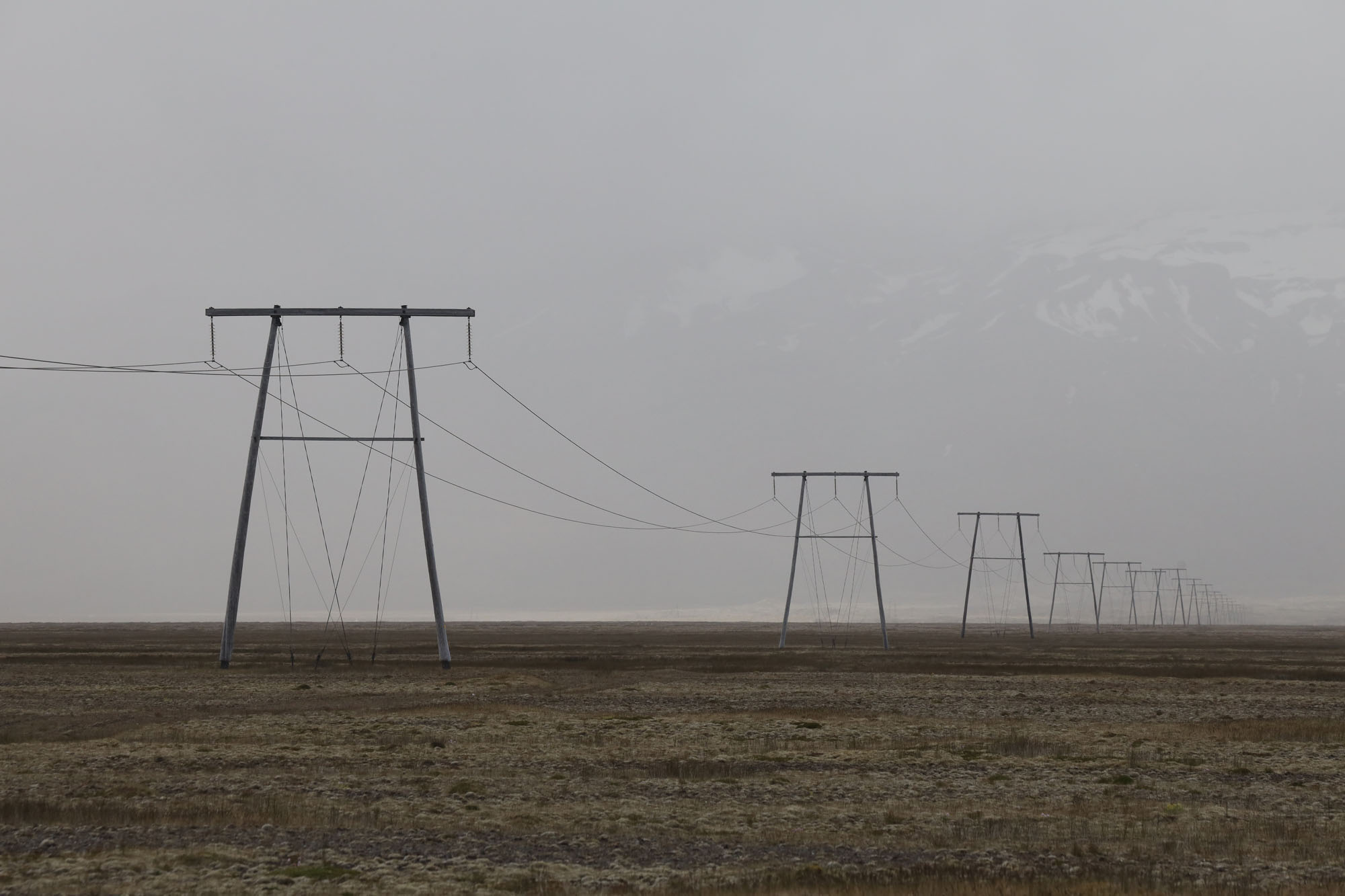
It fit, as soon as I got to land on the other side of the lagoon at midnight the fool weather arrived, so I just managed to pack all the equipment in the car and on the trailer before everything got wet. It was around two in the morning when I was able to leave. But I didn’t go far. I decided to sleep in the car near the high voltage power line (Byggðalína) on Breiðamerkursandi, south of highway no.1.
The next day it was dry, but still very windy. In fact, I could barely see Öræfjajökull glacier through a sandstorm. I decided not to be on the road with the trailer and the kayaks, but to wait until later in the day when it would calm down.
I could not sit idly by, but recorded in several places close to me. Including the high voltage line with all available equipment I had. With Omni & Cardioid microphones as well as Geophone and hydrophone which I use as a contact mic.
The result was quite amusing. By the time this happened, the strongest wind had subsided. But that moment a moisture was in the air, which caused a sizzle noise from the power line, which added a different sound and gave the recording a clearer picture of the recording location.
The recording below starts with the audible sound (microphone). Then slowly the contact mics are added . In the end and microphones faded out and you will only hear the sound from the contact mics (geophone and the hydrophone)
Because the microphone are located close to the ground in grass under the electricity pylons you will hear lot of „gray noise“ when the wind wipe the grass.
If you keep your attention Whimbrel are also audible.
So I explain the name of this blog, „Byggðalína“ is a name of high-voltage line that connects all the main settlements around Iceland. „Breiðamerkursandur“ is a name of a broad sandy wasteland south of Jökulsárlón Glacier lagoon.

  (mp3 265kps / 46Mb)

Recorder: Sound Devices MixPre6
Mics: MKH8020/8040 & LOM geophone & Aquarian H2a
Pix: Conon EOS-R

Weather: Gust up to 20m/s. Clear sky, ca. 14C°
Location: 64.028360, -16.265129

Read Full Post »

IMG_2200

One of my friends for many years is Gísli Sigurgeirsson. He is a genius in many fields. In recent years, he has had strong opinions on climate change, and I therefore have great respect for him as a climate activist. I myself have given up on fighting for cycling infrastructure and a sustainable life for everyone, although I try my best to live as sustainably as possible in a western society. I am also always ready and waiting for radical movement if the governments like to change society into a sustainable lifestyle.
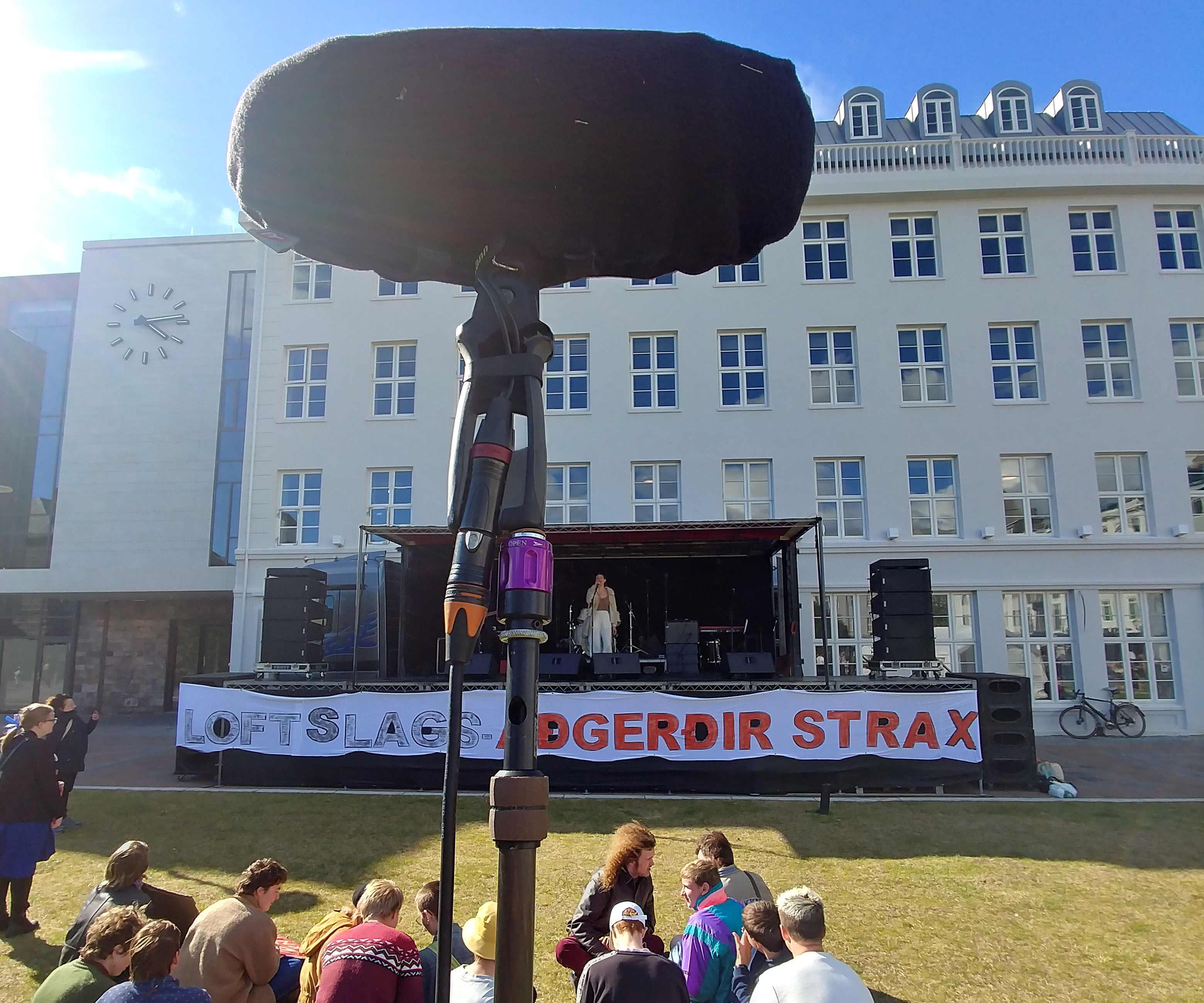
On August 20, 2022, a Climate festival was held in Reykjavík downtown in connection with a Reykjavik Culture Night. That day I was recording several things, including Gísla Sigurgeirsson’s speech.
Before and after the speech there were musical performances. The first was Maria Viktoria who sang and played. Then came Gísla’s speech and after that Vala Yates and Maria Viktoria sang and played a song together. Both these ladies are very talented, so everyone should remember these names.
Everyone involved in this recording gave me permission to put this content on the web.
It was very windy that day so I didn’t have much choice of microphone. My best stereo microphone for that is actually a homemade „baffled – binaural“ array with double EM172 and LOM mic amps in a Rycote WS2 windshield.
I have to admit that it always surprises me how good this DIY microphone is with unbelievable low „handling noise“ and low wind noise, even without HPF.
Although there were strong gusts of wind, you can hardly hear it in this recording, other than the sound waves from the sound system from the stage is distorted because of the wind.

  (mp3 26,7Mb / 265kbps)

Recorder: Sound devices MixPre6
Mics: Promo EM172 Baffled – Binaural.
Pix: Samsung S6

Location:  64.147287, -21.940348
Weather: Strong gust, partly cloudy, around 14°C

Read Full Post »

IMG_2200

I always miss those times in the last century when I rode on a bicycle alone for weeks in the highlands. I knew every single road and trail that could be found on maps, and other routes too. I had a special ability to look at maps and make detailed travel plans based on route conditions and weather forecasts. I knew very well my physical limitations and all the places where I could seek from bad weather. Therefore I never had any problems in my travels.
Without meeting people or seeing human structure, nature and I merged into one. The journeys were therefore both mentally and physically rejuvenation.
After the year 2002, cars and traffic began to increase rapidly in Iceland. Mountain huts that used to be shelters were now closed. Many emergency huts were removed due to poor handling. It became increasingly difficult to travel without being disturbed by noisy humans and without shelter in remote locations.
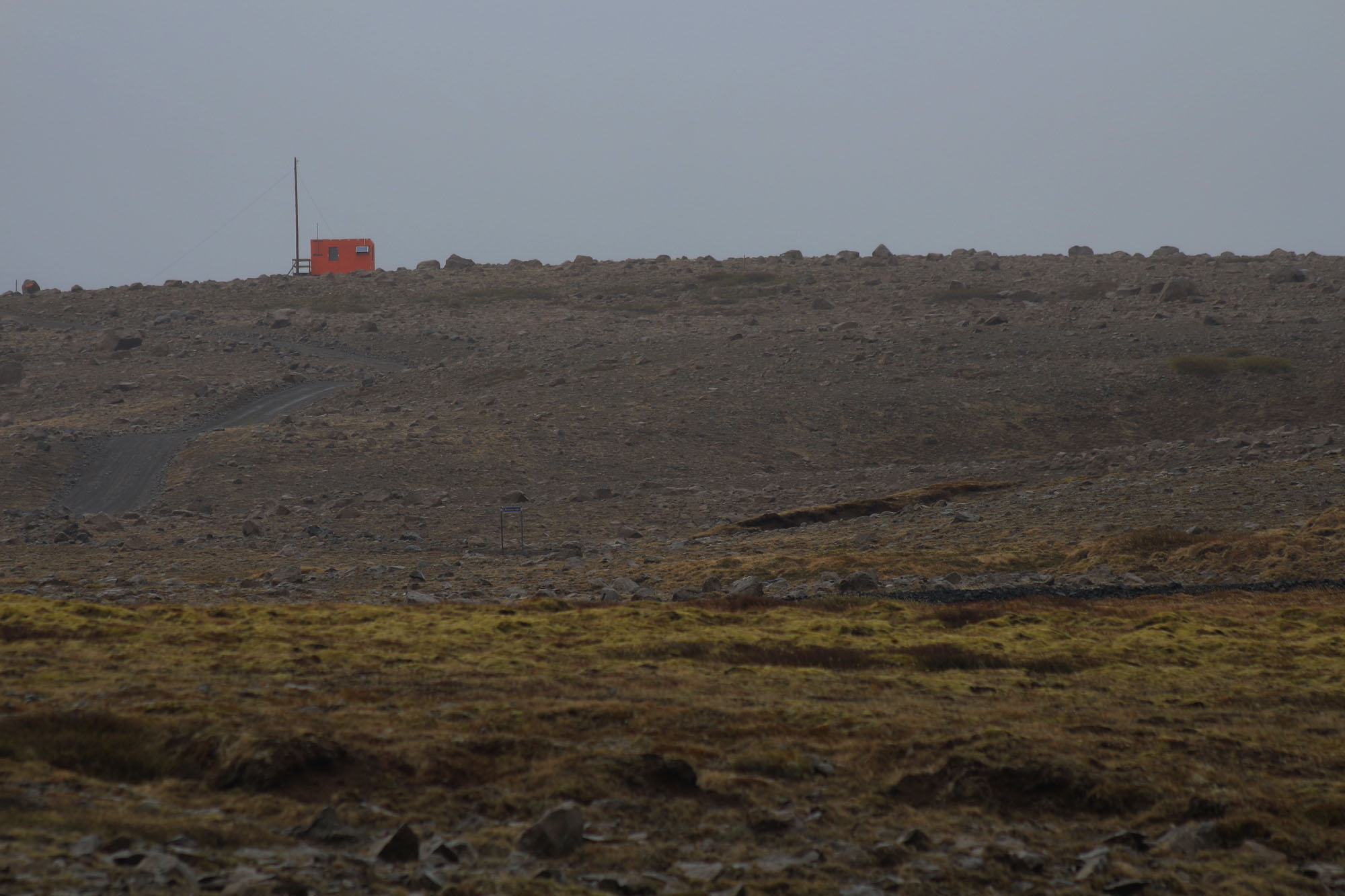
One of these very few emergency huts that still exist and are open and have saved many lives is on a Kaldidalur route. For me this hut was often a first overnight stop from Reyakjavík on the way to cross the highland.
I was in Kaldidalur 28th of May 2017 to record the surroundings. I decided to record beside the hut to record a familiar sound.
This is a typical soundscape for Icelandic highland. Birds in the distance and windy and if not windy and rainy then complete silence.
Inside the hut was normally the same sound but more silent, except if there was buzzing fly in the window.
Even though it is many years since this soundscape was part of my daily experience, I get an undeniable nostalgia for the past for listening to this recording
Quality open headphones are recommended while listening at mid or low level.
If the media player doesn’t start to play, please reload this individual blog in a new tab or frame.

  (mp3 256Kbps / 63,7Mb)

Recorder: Sound Devices 744T
Mics: Rode NT1 NOS
Pix: Canon EOS-M

Location: 64.447652, -20.961026
Weather. Cloudy, 4-10m/sec, drizzle rain. 5°C

Read Full Post »

IMG_2200

There are two things which are always possible to record almost everywhere, any time and all year around. That is traffic noise and all kinds of wind.
Traffic noise is easy to record, but wind noise is more difficult. Wind is like an instrument or a symphony orchestra. But what makes it even more difficult is that you can´t place the microphone everywhere you like. A „pure and clean“ wind recording may not include a mechanical wind noise from the windshield, cable or the tripod. So location of the microphone rig plays normally a big role. But when the microphone is placed close to ground or a wall it will affect the frequency spectrum, mainly of sound reflection and therefore a phase issue.
It is possible this happened to me in December when I recorded gust over night in the country side, west Iceland. But I am still not sure, because when all the straws on the ground were rubbing each other, they made a sound or a constant noise which was limited to specific frequency range.
There is no other recording I have made which sounds as differently between different headphones and speakers as this one. I have not EQ this recording much, just pulled down the subsonic at 20Hz and slightly lifted 250Hz (+/-100Hz) The microphone was about 30-50cm from the ground. It was very bumpy and because of that I think I was probably not struggling with a phase issue, only the noise from the rubbing straws.
This recording starts very calm, with an „intro“. But suddenly the wind starts to blow and and gets stronger in the third part of this beautiful winter song..
I am used to record exactly on this location almost every time I visit this place so it is interesting to listen how this place sounds six months later, in July. Listen here.
Quality open headphones are recommended while listening at low or medium level.

(mp3 256kbps / 49Mb)
If the media player doesn’t start to play, please reload this individual blog in new tab or frame

Recorder. Sound devices MixPre6
Mics: Lewwitt LCT540s (NOS)
Pix: Canon EOS M
Location:64.673500, -21.629361
Weather: Calm to breez, around -8°C

Read Full Post »

IMG_2200

Wind is very often the recordist´s enemy. Especially if the rumbling noise of „hammering membrane“ is not acceptable.
Some recordists may say this rumbling noise is just normal. Everyone will hear similar rumbling noise when they stay in wind.
For me it sounds like „clipping distortion“.
Wind protection is one of the most important thing for nature recordings, especially in the country where wind below 3m/sec. is almost unique.
I have tried several wind protections. My own, Rode Blimp and Rycote Softie and Modular series. All of them sounds similar. So it was welcomed when Rycote introduced the Cyclone windshield. Cyclone have Floating Basket Suspension, which is very nice. Until now, it has been only be used in the overpriced Cinela products.
Rode NT1a is one of the best cardioid microphones available today for nature recording. But sadly it is not build for outdoor use, so it has some poor futures like handling noise.
So when I choose it on the field, it has been important to keep it in Rycote modular windshield, place it close to the ground (sadly very often too close) and pray for completely calm weather. Then pray again for nice outcome.
I per-order a pair of Cyclone mini windshield last summer and got it in mid September. My plan was to fix them with parallel MKH20/40. But I also gave my modified NT1a a try when I saw it was almost „plug and play“ to fix it .
Without fur Cyclone was not far from to be equal to Rycote modular series with fur. But when Cyclone was dressed in fur the rumbling noise almost disappeared in wind around 5-7 m/s. That was a huge success.
Following recording is a short part of overnight recording from Stafholtstungur, in the west of Iceland. The gust goes up to ca. 7m/sec. and the recorder HPF was set at 80Hz. The rig is about 1 meter above the ground.
Some rumble noise is audible in this recording, but some of it could as well be a vibration from the tripod. Keep it in mind this is NT1a which is particularly sensitive for handling noise.
I will spend more time to test this setup but it looks like I need to order another pair for my MKH20/40 rig.
Quality open headphones are recommended while listening at low to mid level.

(265kbps / 36Mb)

Recorder: Sound devices 744
Mics: Rode Nt1a NOS setup
Pic: Canon EOS-M

Read Full Post »

IMG_2200

The Vestmannaeyjar archipelago is young in geological terms. The islands lie in the Southern Icelandic Volcanic Zone and have been formed by eruptions over the past 10,000–12,000 years. The volcanic system consists of 70–80 volcanoes both above and below the sea.[3]
The largest island, Heimaey, has a population of 4,135. The other islands are uninhabited, although six have single hunting cabins. Vestmannaeyjar came to international attention in 1973 with the eruption of Eldfell volcano, which destroyed many buildings and forced a months-long evacuation of the entire population to mainland Iceland. Approximately one fifth of the town was destroyed before the lava flow was halted by application of 6.8 billion litres of cold sea water.[2]
With extremely high precipitation considering the latitude, Vestmannaeyjar features an ET Tundra climate (closely bordering Subpolar Oceanic (Cfc)) under the Köppen climate classification. It is often very windy in the islands, and the highest wind speed measured in Iceland (61 metres per second;140 mph) was recorded in Stórhöfði. The main wind directions are easterly and south-easterly. The islands enjoy the country’s highest average annual temperature, the Gulf Stream having a strong warming effect, especially in winter. (Text Wikipedia)
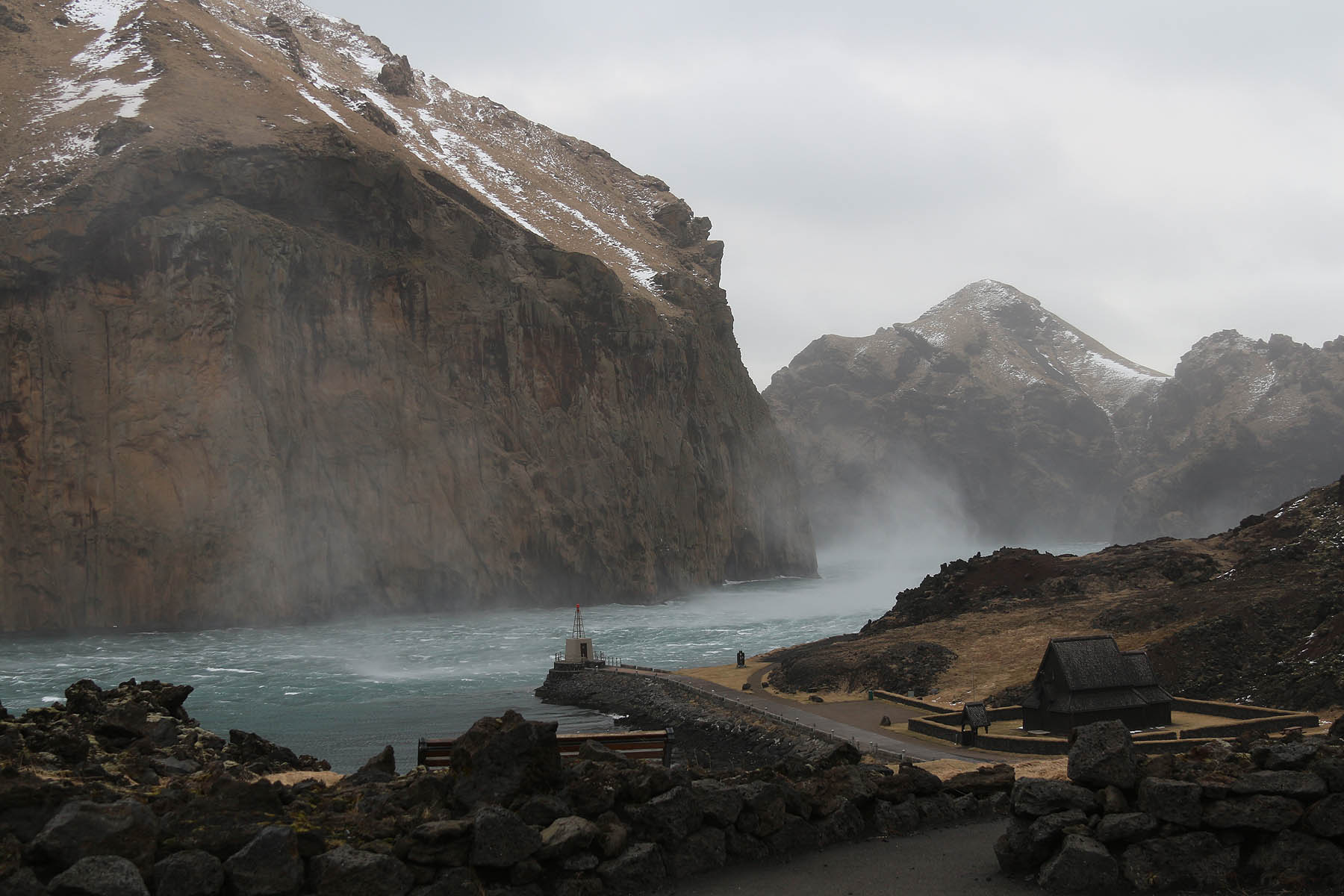
The following recording was made at Stórhöfði 31st of March 2016 in a windspeed around 20 m. pr/sec

Stormur í Vestmannaeyjum

Upptaka þessi var hljóðrituð hádegi á Stórhöfða þann 31. mars 2016 stuttu áður en viðvera á Stórhöfða varð óbærileg vegna veðurs.
Þarna hvín ansi hátt í stögum á loftnetsmöstrum sem eru sunnan við vitahúsið. Hljóðnemarnir voru hafðir skjólmegin við húsið á meðan á upptöku stóð. Gera má ráð fyrir að vindstyrkur hafi náð þarna 20m/sek en síðar um kvöldið komst vindstyrkur upp í 35m/sek og enn meira í hviðum.

  (mp3 192kbps / 30Mb)

Recorder: Sound devices 744
Mics: Sennheiser MKH20 (AB40)
Pics: Canon EOS-M (see more pictures)
Location: 63°23’58.7″N 20°17’19.2″W

Read Full Post »

IMG_6819

Last weekend in February I and my brother in law went to Skaftafell national park. Our sons were with us and we spent one night in a tent on the campsite. One of the reasons that we drove all this way from Reykjavík was to get in touch with the place where I will be recording the nature next spring and summer.
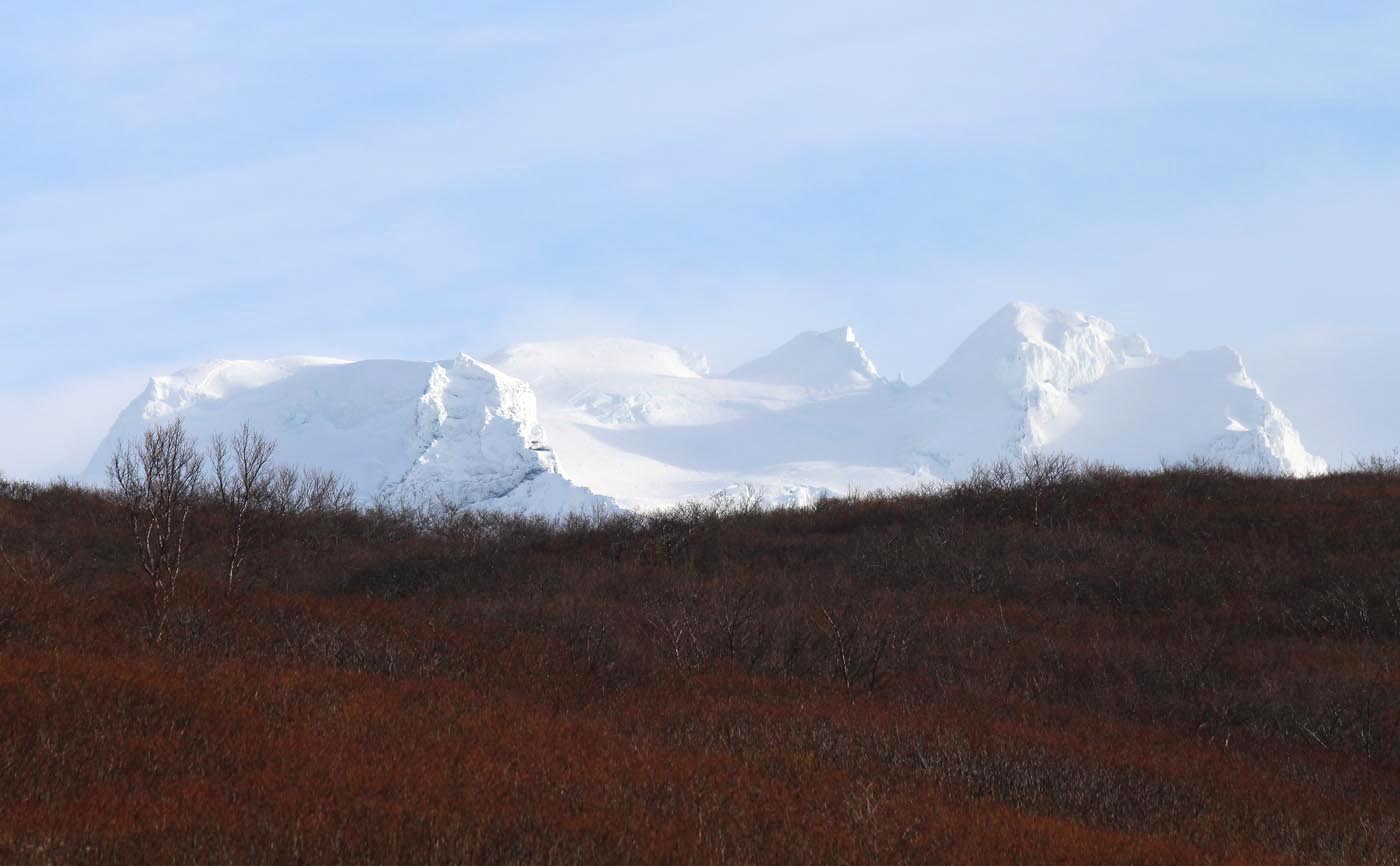
We were lucky with the weather. It was dry and the temp. about zero. But most of the time strong gust was blowing down from the glacier over the place.
This recording was made during midday on the campsite where the gust was blowing through the naked branches.

Skaftafell í febrúar 2014

Síðustu viku í febrúar fór ég með mági mínum í stutt ferðalag austur að Skaftafelli. Höfðum við syni okkar með því veðurútlit var gott og við ætluðum að tjalda. Var ferðin að hluta til farinn vegna hljóðritunarverkefnis sem ég fékk styrk til að sinna næsta vor og sumar. En styrkinn fékk ég hjá samtökunum Vinum Vatnajökuls.
Á meðan við dvöldum þar þá gekk á með hvössum vindstrengjum ofan af Skaftafellsjökli. Það var því kjörið tækifæri að hefja hljóðritunarverkefnið með því að hljóðrita vindinn sem geystist í gegn um kjarrið á svæðinu.

Download mp3 file (192kbps/37.1Mb)

Recorder: Sound devices 744
Mics: RodeNT1a in NOS setup
Pix: Canon EOSM

Read Full Post »

IMG_3337

Last summer was mainly wet, windy and cold in Iceland. It was no exception while I was recording birds in the nature reserve Flói, south of Iceland.
I was three weeks later than usual, so it was probably too late to record a reach bird chorus.
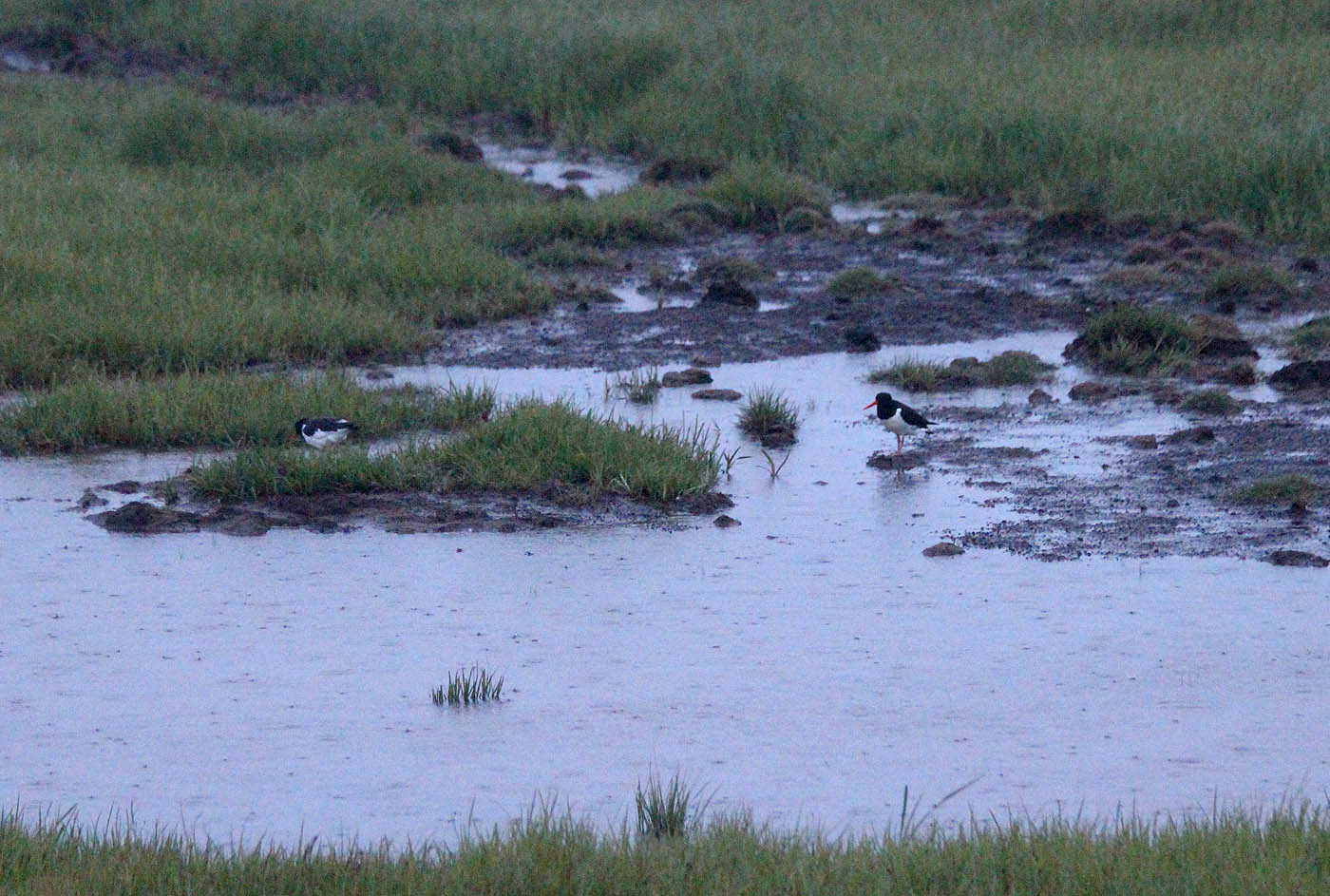
I spend two nights in the area and tried to record surrounding ambient through soaking wet windscreens. I stayed most of the time in a bird watching shelter to keep me dry. It was different from last tree years. Surroundings looked more like a swamp than grassland.
I kept one recorder in the field in a plastic box. The second one was in the bird watching shelter.
Just before I fell a sleep on the floor I started to record. The following recording is a short part of that moment while shower passes over.
Most windows on the shelter were open so birds surround are audible. Background noise is not a traffic, it is the surf at nearby south coast, about 3 km away.

Flói 2013. 1. hluti

Síðast sumar var kalt og blautt miðað við það sem maður hefur vanist síðustu ár. Alla vega elti óheppnin mig með leiðinda veðri á röndum hvert sem ég fór með upptökutækin. Hin árlega ferð í Flóann var þar enginn undantekning. Ég mætti á svæðið þremur vikum seinna enn vanalega. Ég mátti því búast við að fjöldasöngur fugla væri farinn að dvína. Vindasamt veður gerði svo erfitt um vik, hvað þá að hljóð gæti borist langar leiðir.
Að vanda tók ég upp í tvær nætur í flóanum. Í þetta sinn flaut allt í vatni og því ekki hægt að liggja úti í grasinu eins og vanalega, heldur var leitað skjóls inni í fuglaskoðunarskýlinu.
Fyrir utan var eitt upptökutæki að taka upp á hefðbundnum stað. Annað var aðgerðarlaust inni í skýlinu. Rétt áður en ég fékk mér lúr á gólfinu ræsti ég upptökutækið. Hér kemur partur af þeirri upptöku þegar skúr gekk yfir svæðið. Gluggar voru opnir svo það heyrist í fuglum í grennd. Suðið í bakgrunni kemur frá briminu suður við Ölfusárósa.

Download mp3 file (192kbps / 34,5Mb)

Recorder Sound devices 744T
Mic: Rode NT1a
Pics: Canon EOSM (more pictures soon)

Read Full Post »

Older Posts »