Feeds:
Færslur
Athugasemdir

Archive for the ‘Music & release’ Category

IMG_2200

Oliver Kentish was born in London in 1954. He studied cello at the Royal Academy of Music in that city. In 1977 he came to Iceland to play with the Iceland Symphony Orchestra as a substitute and has taught since then. Oliver has been involved with the Icelandic Amateur Symphony Orchestra almost since its founding, first as a cellist, and then as the orchestra’s principal conductor and artistic director for about fifteen years. He currently teaches at the New Music School in Reykjavík.
In addition to teaching, Oliver is a prolific composer, is a member of the Icelandic Composers’ Association and has around three hundred compositions on the Icelandic Music Centre’s register. It is worth mentioning that in 1994 the British government commissioned a work from him as a gift to the Icelandic people on the occasion of the 50th anniversary of the Republic. This work, „Mitt folk“, for baritone solo and symphony orchestra is dedicated to the then President of Iceland, Vigdís Finnbogadóttir.
Oliver’s works have been performed throughout Europe, in the United States and in Russia, and some of them have found their way onto CDs, including with Helga Ingólfsdóttir, Rúnar Óskarsson, Duo Harpverk and Schola Cantorum.

Hrímhvíta móðir was commissioned by the Iceland Amateur Symphony Orchestra in 2024. The work‘s title is taken from a poem by one of Iceland’s most famous poets, Jónas Hallgrímsson (1807-1845) whose poem „Ísland farsælda frón“ is an ode to Iceland, the ‘frost-white mother’ of the title. The work is cast in the form of a concert overture, lasting just over 15 minutes and contains four well-known melodies familiar to most Icelanders. Two of the melodies can be said to be typically Icelandic; the so-called quint-song, which is a uniquely Icelandic vocal tradition where the melody is sung in parallel fifths and the voices cross over in the middle – to which the Hallgrímsson poem is famously set – and another melody, known as Lilja where the unusual intervals give the tune an ambiguous tonality. It is the combination of these two which comprises the climax of the work. The two other melodies which appear are a traditional lullaby, „Kvölda tekur“ and the hymn, „Allt eins og blómstrið eina“ which, however, is not an Icelandic melody; in the Icelandic hymnal the tune is named Antwerp, and dated 1540. The hymn‘s Icelandic text is by another giant of that country‘s poetry, Hallgrímur Pétursson (1614-1674). Even today, this hymn is an integral part of almost every funeral in Iceland.

I have been fortunate enough to get to know Oliver and the work of the Amateur Symphony Orchestra for more than decade and have been able to record almost all of the orchestra’s concerts, which often feature well-known and talented musicians and students. This has always been a fun winter hobby when there is almost nothing to do in field recordings in nature. During this time with the orchestra I have been able to develop my own recording methods, testing all kinds of setup and microphones. These methods generally aim to achieve the best possible recordings with the least possible equipment, taking into account the cramped conditions, fast and easy setting up and compiling. It must be admitted that this simplicity actually affects the quality of these recordings compared to what happens with released material today. But it is based on the simplicity that was common a few decades ago when few channels were used and the recording was allowed to stand without post-processing.
In recent years, these recordings have ended up on the orchestra’s closed website.
Most concerts have been recorded with four microphones in a fixed AB/NOS array at about 3 meters above the middle of the orchestra. Soloists have then been given two channels, usually with a parallel cardioid and omni mics.
The music that follows below was recorded on four channels (AB/NOS) at 3.2 meters above the Amateur Symphony Orchestra in October 2025 in Seltjarnarnes church.
In post-production, little was done other than giving the omni microphones a slight EQ of +/-2dB and using a compressor on the master. Mixed in Sennheiser HD650 headphone
Oliver kindly gave me permission to post this recording.
Quality open headphones are recommended while listening at any comfortable level.
If the media player doesn’t start to play, please reload this individual blog in a new tab or frame.

(mp3 256kbps / 31Mb)

Recorder: Sonosax SX-R4+
Mics: Nevaton MC59O in AB & MC59C in NOS
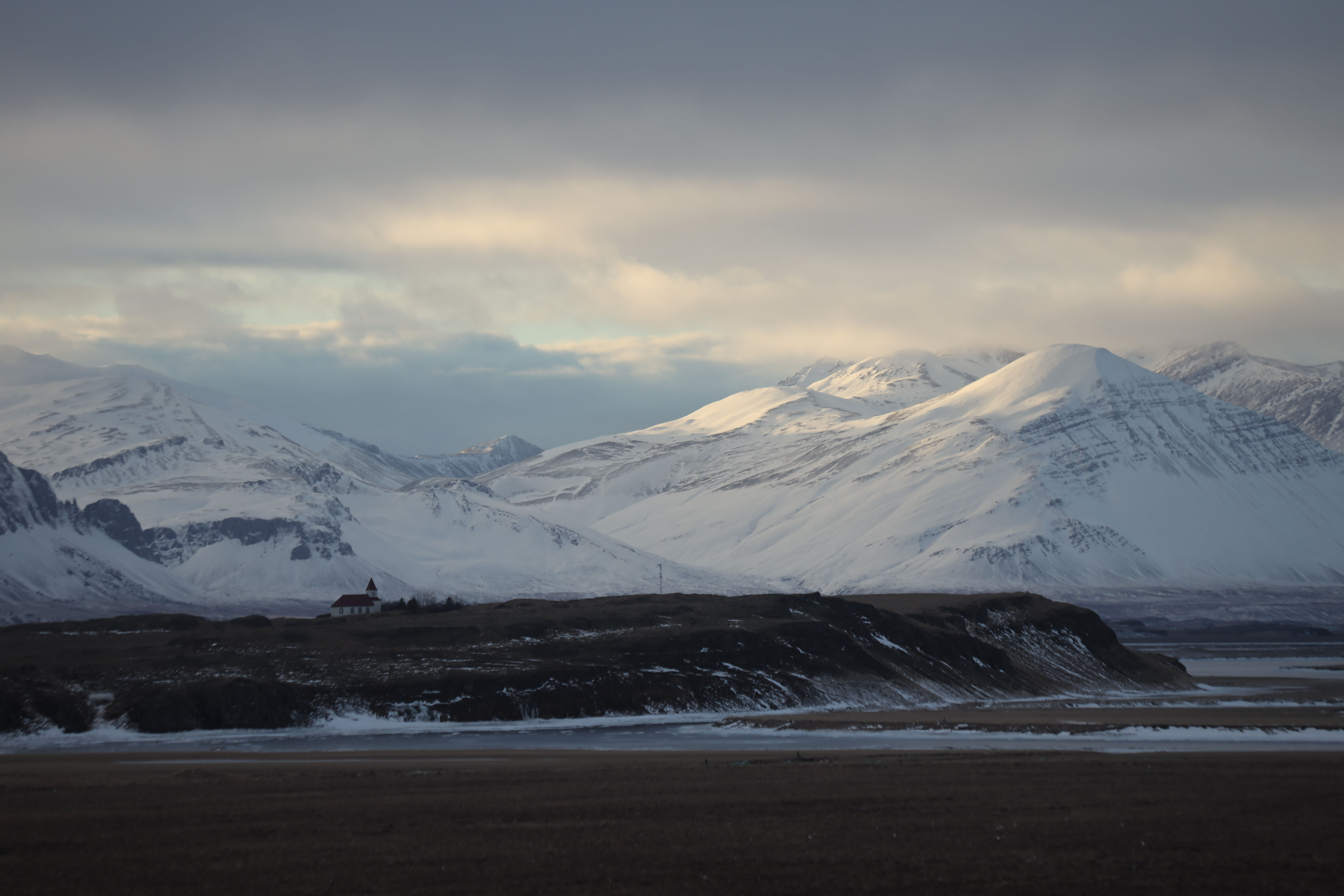
Pix: Canon EosR (Church in Stafholtstungur, west Iceland)

Location: Seltjarnarnes kirkja
Read Full Post »

IMG_2200

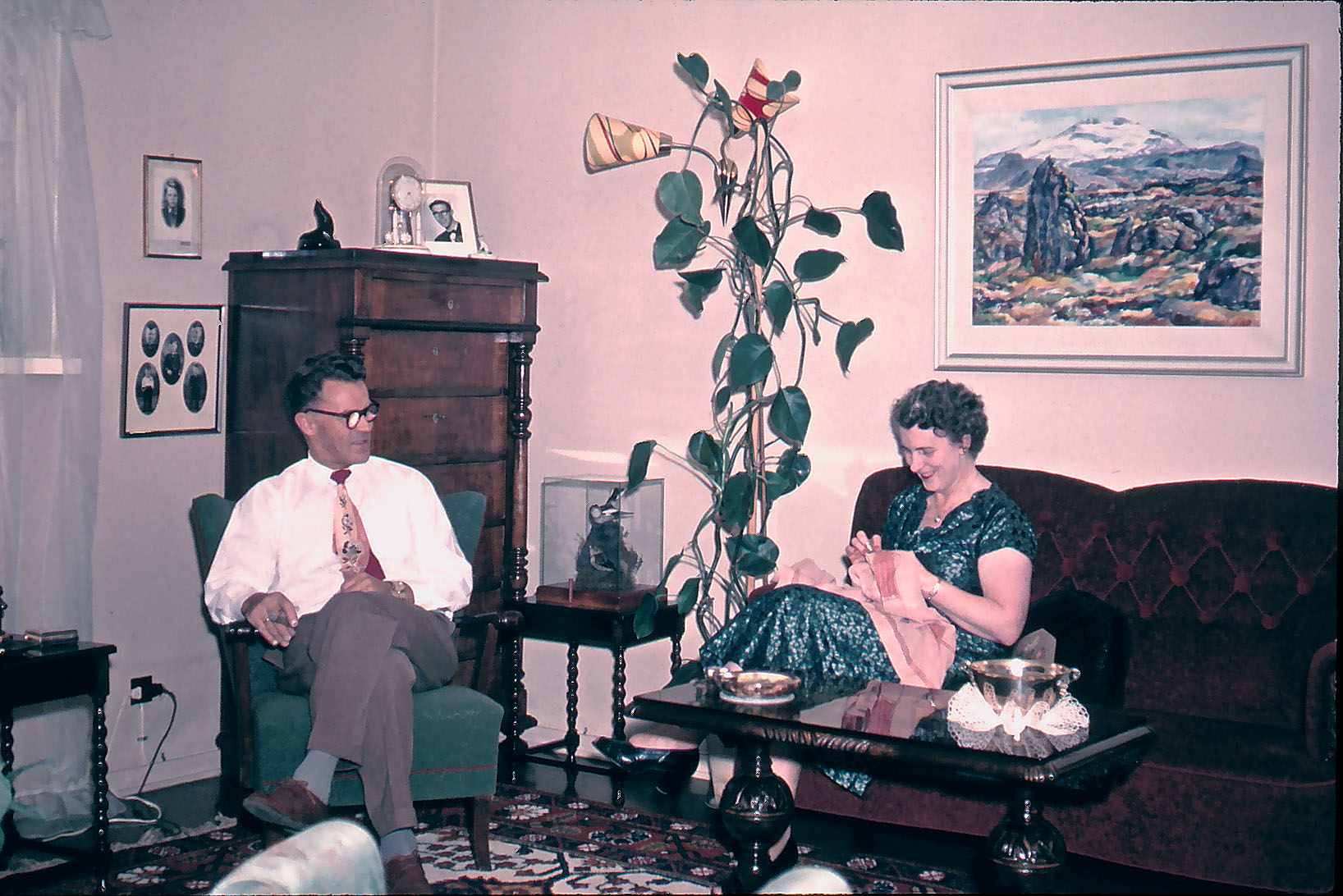
Here is an old recording that was found in storage after Dad died in 2011. Is it a recording that his parents, ie. my grandparents did, possibly in a few days, but there is one date, which is February 3, 1963.
My grandfather was Jón Björnsson (b.1903 – d.1985) from Karlsskála in Reyðarfjörður, east Iceland, but he lived most of his life in Reykjavík.
My grandmother Guðrún Bergþóra Bergsdóttir (b.1904 – d.1972) lived all her life in Reykjavík.
The reason for the recording was that Dad was studying electrical engineering in Germany. He was among the first engineering students who left Iceland to study in Europe after World War II.
Although there was a telephone between Iceland and mainland Europe, it was not possible for the public to make daily calls. But in those days it was customary to correspond and send letters. Around and after 1960, people began to acquire tape recorders and then the idea arose among Icelandic students to not only send letters, but also to use this new medium where people could hear the voices of their loved ones.
Unfortunately, not much of these recordings have survived, because tapes were expensive at these times. It was therefore customary to send the same tape back and forth with new recorded material each time. Something I unfortunately also did 10-20 years later with the cassettes.
Here in this recording, my grandfather and grandmother talk about the social life in Reykjavík, talk about the high frequency of accidents, possibly marine accidents that were almost a monthly occurrence, not least in the winter of those years. Then they talk about friends who are moving into a new flat, others having children and then others buying a new car. Grandfather talks about having a dream of me (Magnus) from when I was young, until I was old. Then he calls me, and asks me If I recognize his voice.
Then he mentions a beautifully carved cigar box that I inherited from my grandmother’s brother, Magnús Bergsson, who was a baker, but later went into the fishing industry with his son-in-law.
Most of the material on the recording is, however, mainly a recording from the Icelandic national broadcast service (RUV), which was at that time the only Icelandic radio station. The program was sent out on Long Wave so it could reach the whole country, but only during the day time.
Both grandparents enjoy listening to music and or dancing at all times and have fun. Therefore, you can hear both Icelandic piano music and Icelandic opera. At the end of the recording there is an educational episode about „automation“ in production and machinery, which my grandparents have been thinking my father would like to hear in Germany.
This recording below was in incredibly bad condition and of very poor recording quality. The volume was extremely fluctuating, probably because it wasn’t recorded on the same day. You could barely hear what was said in the recording due to the 50Hz hum and accompanying harmonics frequencies. Grandpa actually mentions in the recording that both the radio and the tape recorder are broken. The recorder even broke apart the tape so he had to fix it.
I was never able to clean this recording acceptably when I had the Izotope RX5 or RX8. It wasn’t until I got the RX10 that it went much better. However, I didn’t spend a lot of time cleaning everything or fixing it, simply because it would have changed the character of the bad sound quality that people were struggling with at these times. At least now you could hear what was being said.
The reason I released this recording on the web now, is that earlier this month it was 120 years since my grandmother was born.
I think it is worth mentioning that, some years ago I published another tape recording from the sixties, which was most likely a multimedia message from my parents in Germany to my grandparents in Iceland. It was from the Christmas 1964

(mp3 256kbps / 64Mb)

Recorder: unknown open reel deck.
Transferred from Revox B77 MkII to Sound devices 744 (24/48)
Mic. Unkown
Pix: Jón Björsson and Bergþóra Bergsóttir at home, close to the year 1964

Recording location: Blönduhlíð 3. Reykjavik

Read Full Post »

IMG_2200

I already promised to have a microphone comparison now for the month of June to confirm the quality of the SE8 microphone compared to others e.g. MKH8040.
But when I was going to work on the recordings I made last April, I noticed a 7khz noise revealed in one of the two SE8s. This noise had also annoyed me when I did the comparison, but I wasn’t sure what it was. Just thought the SE8 was that bad.
Today I didn’t hear this noise and I didn’t see anything strange on the spectrogram. Plus this SE8 now sounds better too. The comparison will therefore be repeated later so that people can take it into account if they invest in SE8.
I can’t say what happened that caused this 7Khz noise. I had actually never plugged the microphone to 48V until the day I made the comparison. So it may be that it was necessary to „burn in“ the mic’s circuit for a several hours before use.
But I tested the SE8 in two of three concerts I recorded at the end of May. It turns out that the SE8 is quite interesting. It is therefore likely that I will have it with me in my tool bag at future gigs, although the Nevaton MC59C are and will always be my first choice.
At first glance, the SE8 appears to be more strategic than e.g. MKH8040 or MC59C. But I dare not confirm it until I repeat the comparison that failed in April
So to keep my promise to deliver some information about the SE8, here is a comparison between the SE8 and the MC59C.
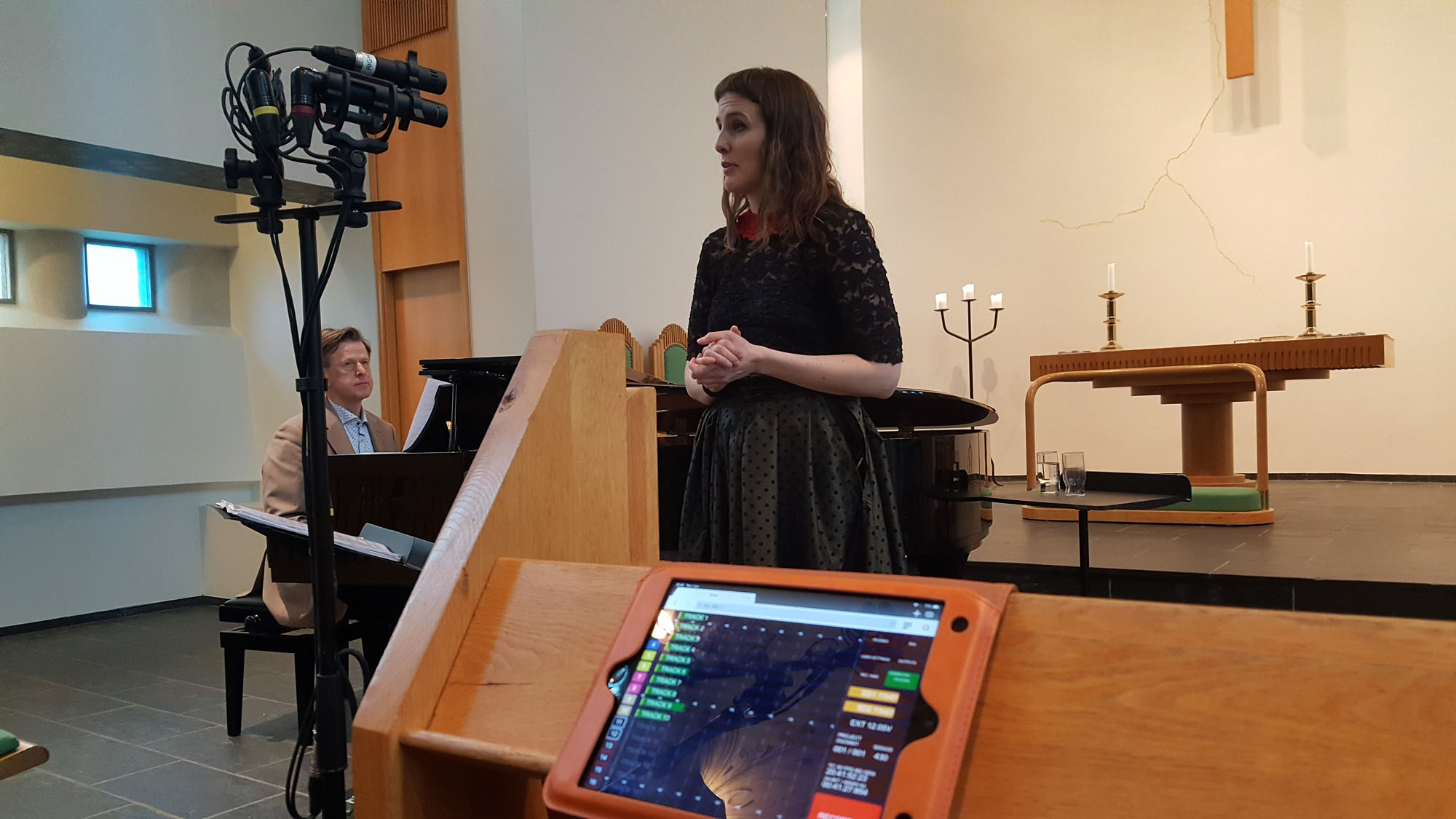
This is a recording of a concert I recorded about a week ago with the great mezzo-soprano singer, painter and actress Tinna Þorvalds Önnudóttir.
This comparison doesn’t say much about whether the SE8 is good for music. There is, for example, missing all the low frequencies that are extremely important to sound smoothly and correctly in phase. But there is the SE8 side by side to the MC59c which are, in my opinion, the very best mic I can choose for all acoustic music.
The installation of the microphones took into account the location of Tinna and the piano was in a narrow space in front of the audience seats. So this does not sound like a studio recording because at the same time there was considerable movement on Tinna and in one composition two other singers were involved (which cannot be heard here).
At the beginning of the recording you can hear a weak „blue whispering noise“. It can be heard occasionally while Tinna sings, but it comes from the dress she wears.
These recordings came directly from the recorder, no EQ. I only normalize the level and downgrade to mp3. Except the mix of both MC59C and SE8, there I use Soothe 2 to slightly soften the midrange.
I got Tinna’s kind permission to use her vocals in this post.

SE8 (+16.20 dB added to normalize the level)
  (mp3 256kbps / 5Mb)

MC59C (+14.55 dB added to normalize the level)
  (mp3 256kbps / 5Mb)

MC59C & SE8 mixed together ( +12.85 dB added to normalize the level)
  (mp3 256kbps / 5Mb)

Location: 64.144522, -21.888273


Read Full Post »

IMG_2200

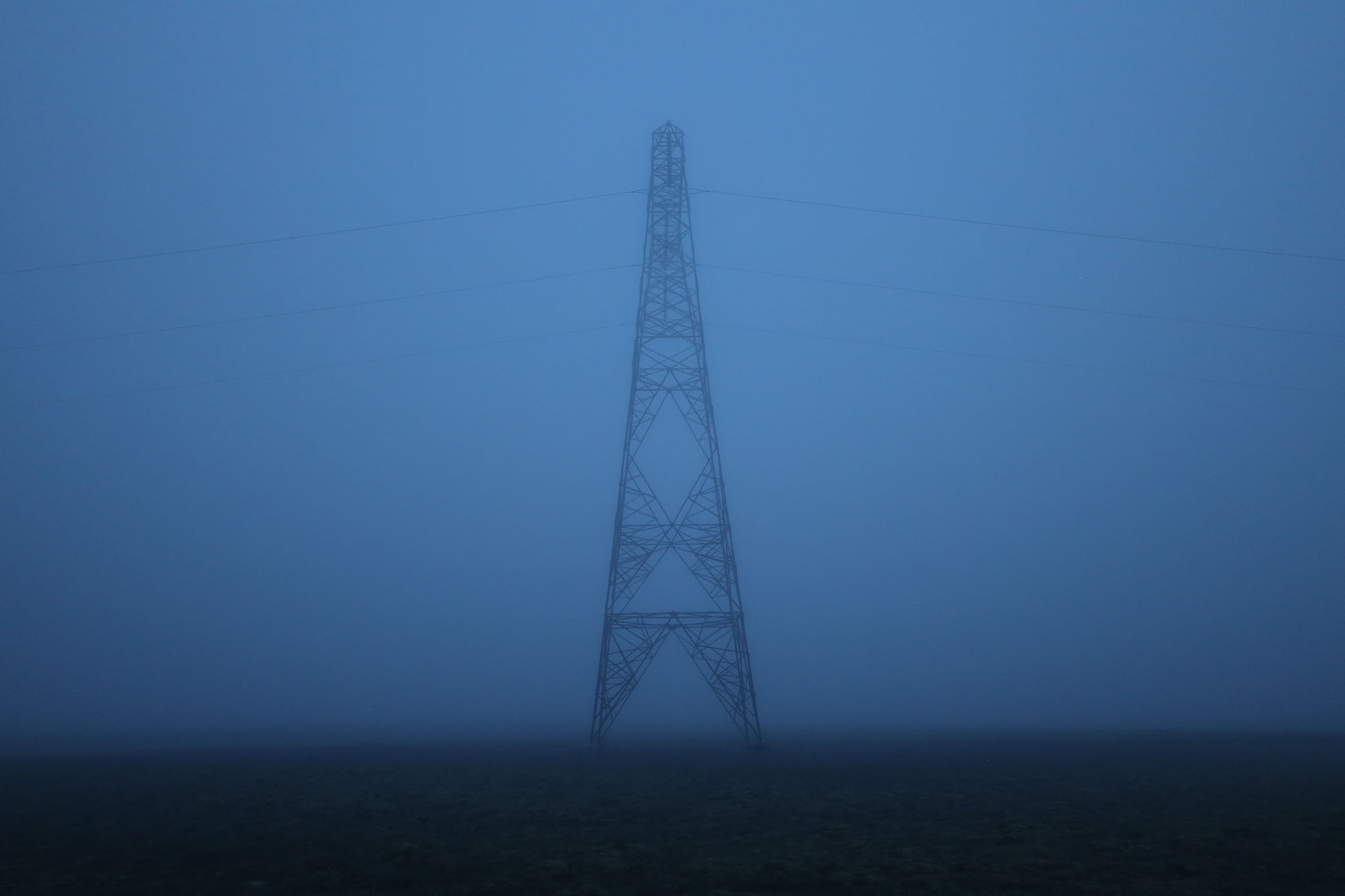
I have recorded various things with LOM geophones. Including electricity pylons as well as other steel structures as for example around the Hellisheidi geothermal power plant.
All these steel structures can sound extremely different, even between different types of electricity pylons. It was also interesting to hear various ambient sounds through the steel, such as birdsong, traffic and spoken words. Wind and rain is also audible through the steel
What you hear in the recording below is a very simple mix of different sources of two electricity pylons which I recorded close to Búrfell power station..
Quality open headphones are recommended while listening at mid.
If the media player doesn’t start to play, please reload this individual blog in a new tab or frame.

  (20Mb mp3 / 256kbps)

Recorder: Sound devices MixPre6
Mics. Two LOM geophones.
Pix: Canon EOS-R

Read Full Post »

IMG_2200

Í þessum mánuði eru liðin 35 ára frá því að ég hljóðritaði meðfylgjandi tónleika sem áttu sér stað í Kópavogsbíóieða nærliggjandi sal þann 24. nóvember 1985.
Aðalnúmer kvöldsins var S.H. Draumur en upptökuna af þeim setti ég hér á bloggið fyrir tveimur árum.
Upphitunarhljómsveitir þetta kvöld voru þrjár sem spiluðu í þessari röð; Spilliköttur, Ást og Gakk sem hér fá nú, 35 árum síðar, að láta heyra í sér .
Allar hljómsveitir þetta kvöld voru skipaðar svo til sama mannskap, svo menn sýndu og sönnuðu að þeir gátu tileinkað sér nokkra tónlistarstíla og fjölbreytni.
Í Spilliketti voru Ingólfur Örn Björgvinsson á sax, Sigurður Halldórsson á bassa og Birgir Baldursson á trommur.
Meðlimir ÁST voru Gunnar Lárus Hjálmarsson eða Dr Gunni á gítar, Steinn Skaptason á bassa, Trausti Júlíusson á trommur og Kristinn Jón Guðmundsson sá um söng og texta. Í þessari upptöku sem voru síðustu tónleikar hljómsveitarinnar, eru það aðeins Kristinn Jón sem sér um rödd og Steinn sem sér um áslátt.
Því má við bæta þegar kemur að sögu hljómsveitarinnar að tveir gítarleikarar voru í hljómsveitinni þeir Jón Kristinn Snæhólm og Jón Egill Eyþórsson. Gunni og Jón Egill komu örstutt við sögu í hljómsveitinni HAM á fyrsta starfsári hennar eftir ÁST og samhliða S.H. Draumi.
Í Gakk voru svo til sömu meðlimir og í Spilliketti. Sigurður Halldórsson var á bassa, Birgir Baldursson á trommur og Ingólfur Örn Björgvinsson söng og Sigurður Ingibergur Björnsson spilaði á gítar.
Ekki man ég hvernig ég rataði á þessa tónleika. Líklega var það vegna þess að ég var svo gott sem daglegur gestur í plötuversluninni Gramminu þessi árin.
Árið áður var gefin út tónsnældan Rúllustíginn af Erðanúmúsík  í 250 eintökum sem vakti nokkra athyggli og aðdáun í mínum félagahópi. Á þessari snældu mátti heyra í hljómsveitum s.s. S.H.Draumi, Spilliketti og Ást auk annara.  Flest af þessu þótti nokkuð tilraunakennt og ágætis nýlunda, þvert á það sem sjá mátti í blaðadómum þessa tíma þegar þessar hljómsveitir héldu tónleika. Sjá t.d. dóma í NT þann 4. júlí 1984 um tónleika í Nýló.
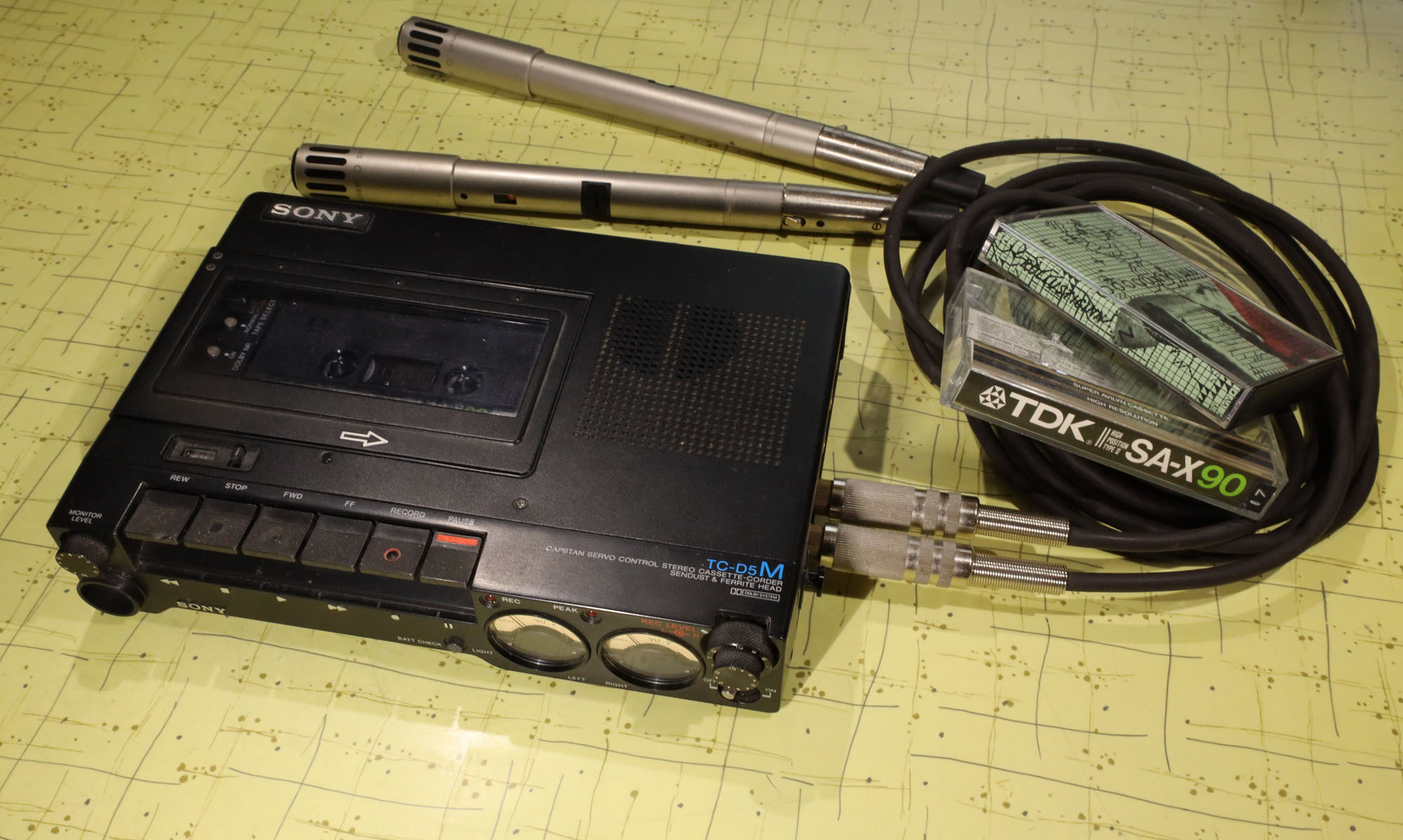
Ekki gekk mér vel að finna myndir frá þessum tíma sem best má sjá af myndini hér fyrir ofan. Hún er þó af upptökutækinu sem var notað þetta kvöld og af hljóðsnældunni Rúllustíginn sem gefin var út af Erðanúmúsík í ágúst 1984 og áður er getið.
Ef einhver lumar á myndum sem gætu tengst tónlistarlífinu frá þessum árum þá látið mig endilega vita. Það virðist ótrúlega litið efni vera til.
Hljómurinn er furðu góður á þessari upptöku miðað við að hún kemur svo til beint af snældunni. Ég á þó nokkur mistök á henni frá því upptakan átti sér stað. Á tveimur eða þremur stöðum yfirmótast upptakan þegar hljóðstyrkurinn frá hljómsveitunum breytist skyndilega, en það verður líklega ekki lagað með góðu hér og nú.

Concert from mid 80’s

In this month, 35 years have passed since I recorded the accompanying concert that took place in Kópavogur Cinema hall or a nearby hall on 24th of November 1985.
The main band of the evening was S.H.Draumur which I have already posted here on the blog two years ago.
But before S.H. Draumur was on stage that November night, three other bands were already playing three different versions of music.
The name of the bands was Spilliköttur, Ást and Gakk which all were mainly with the same musicians but playing different styles of improvisation experimental punk rock music.
Three of four of these bands that performed this evening, i.e. Spilliköttur, Ást and S.H. Draumur was on the cassette „Rúllustíginn“. The cassette was considered quite interesting in my friends community when it was released in August 1984. But this cassette can now be found on Youtube .

(mp3 256kbps/58,8Mb)

If the media player doesn’t start to play, please reload this individual blog in new tab or frame.

Recorder: Sony TC-D5M (AD transfer 24/48, Sound devices 744)
Mic: Sennheiser ME20
Pix: Canon EOS-R

Recording location: 64.111520, -21.905721

Read Full Post »

IMG_2200

Frá því í byrjun ágúst 1984 til vors 1989 tók ég upp marga tónleika, bæði erlendra tónlistamanna sem innlendra. Margir þessara tónleika voru haldnir af hljómplötuútgáfunni Gramminu þar sem Ásmundur Jónsson var í forsvari. Ekki man ég hvernig það kom til að ég fór að taka upp þessa tónleika en líklega hefur upptökuáhugi minn orðið til þess að ég fór til Ása í Gramminu og bað hann leyfis um að taka upp. Tók hann því bara vel og fékk hann alltaf afrit af öllum tónleikum. Í einhverju tilfelli, einu eða tveimur, rötuðu þessar upptökur inn á plötuútgáfur að mig minnir eins og hjá frönsku hljómsveitinni Etron Fou Leloublan.
En upptökurnar voru misjafnar. Notaðist ég svo til eingöngu við Sennheiser video / reporter hljóðnema ME20 og ME80 með K3-U „Power modulum“ sem gengu fyrir 5,6 volta rafhlöðum. Þessar rafhlöður voru rándýrar og asnaðist ég oft til að nýta þær rúmlega til fulls sem því miður bitnaði á gæðum sumra hljóðrita. Við svo bættist að á mörgum tónleikum var það Tryggvi Þór Herbertsson sem sá um hljóðblöndun. Hann var alltaf að mínu mati hljóðböðull þegar kom að hljómgæðum. Hann hinsvegar, leit svo á að pönktónleikar ættu að hljóma „hráir og illa“ eins og hann sagði einhverntíma í viðtali við fjölmiðil og þar við sat. Vegna þessa eru margar þessara upptaka ekkert eyrnakonfekt. En þær hafa þó sögulegt gildi.
Fyrir 33 árum mætti ég með upptökutæki á tónleika í Hjáleigunni, sem var í húsnæði við hliðina á Kópavogsbíói. Svarthvítur draumur (S.H.Draumur) var aðal númer kvöldsins en Spilliköttur, Ást og Gakk sáu um upphitun.
Greinilega má heyra að nýjar rafhlöður voru í hljóðnemunum og enginn Tryggvi á mixernum frami í sal. Hér er því ágætis upptaka á ferð.
SH draumur spilaði 12 lög á þessum tónleikum en á upptökunni heyrast aðeins 11 lög. Ástæðan var sú að þegar þeir voru búnir að spila fjögur lög þurfti að skipta um kassettu. Á meðan á því stóð var lagi nr. 5 fórnað.
Þeir sem hafa áhuga og vilja heyra í upphitunarhljómsveitunum kvöldins þurfa ekki að örvænta. Það er líklegt að ég muni setja þær upptökur á vefinn innan tíðar.
Þess ber svo að geta að Dr. Gunni gaf leyfi fyrir því að meðfylgjandi upptaka færi á vefinn.

The punk-rockband Svart Hvítur Draumur, 24th of November 1985

As a recording amateur I recorded many concerts between August 1984 to May 1989. The recording collection from this period includes many bands and artists, like Andrew Syrelle, Skeleton Crew, Etron Fou Leloblan, Anthony Braxton, Marlyn Crispell, Leo Smith & New Delta Ahkri, Kukl, Sugarcubes, incluting Björk, Vonbrigði, Oxmá, Megas and many others, mainly Icelanders.
I always recorded this concerts with cassette recorder and two microphones. Without knowing it at that time, the Tapers community was popular in other countrys so afterwards I can say this recordings were my participate in the Tapers community.
The equipment I used was Sony TC-D5m cassette recorder and Sennheiser ME20 & ME80 microphones with K3-U power module. For several concerts I get borrowed a pair of Sennheiser MD441 which bring extra quality into those recordings .
Many of this recordings have poor quality while other are outstanding. The following recording below was recorded with a pair of ME20 so it is as good as it gets with that mic.
The Punk-rock band, Svart hvítur draumur (1982-88) or S.H.Draumur (Back & White Dream) was a trio and pretty popular in the eighties. This concert was held in Kópavogur, south of Reykjavík outskirt 24th of November 1985.

  (mp3 256kbps / 73Mb)
If the media player doesn’t start to play, please reload this individual blog in new tab or frame

Recorder: Sony TC-D5M (AD transfer 24/48, Sound devices 744)
Mic: Sennheiser ME20
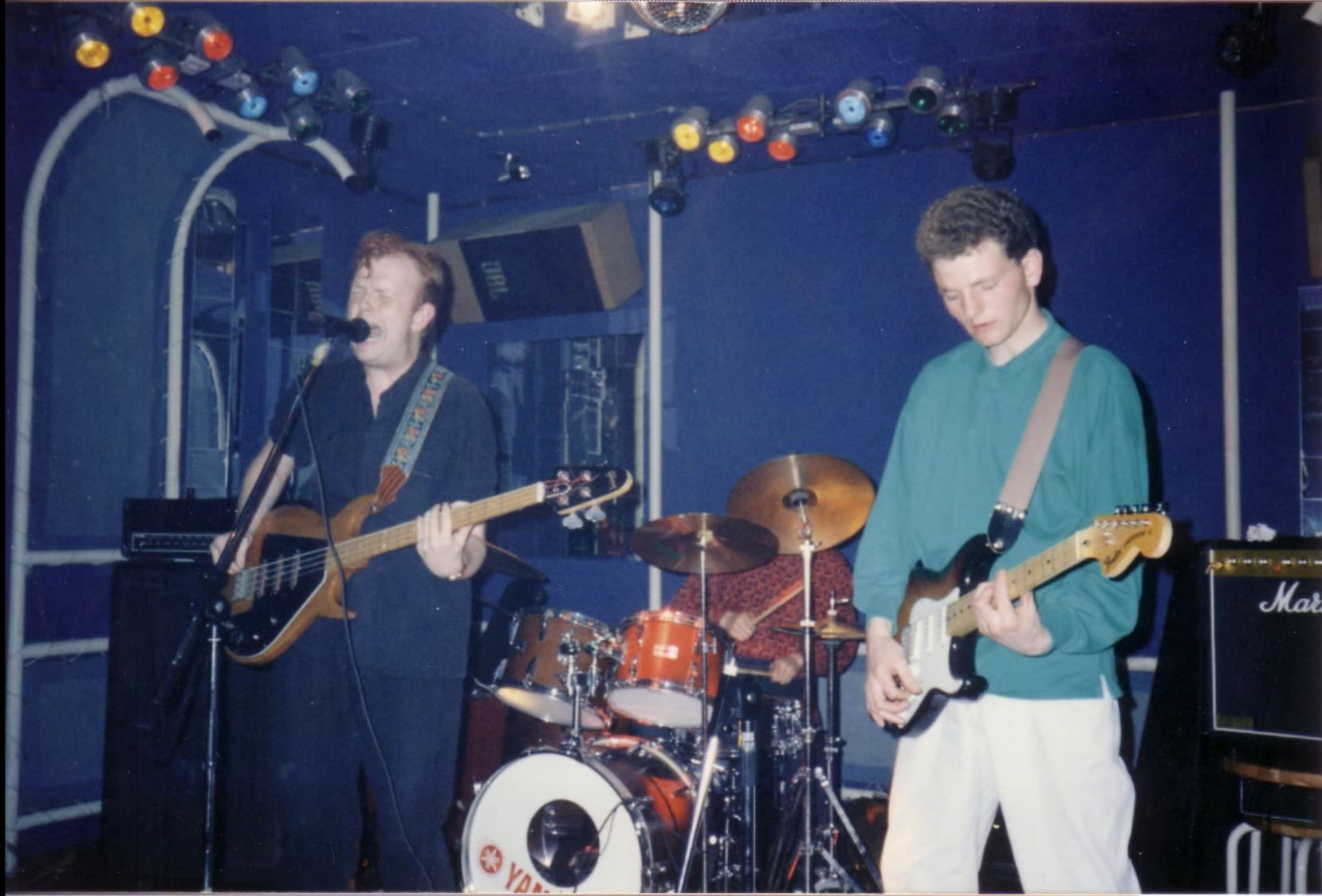
Pix: (Dr. Gunni)

Read Full Post »

IMG_2200

It was very nice weather this evening. The downtown was almost overcrowded with people which was shopping or just walking around to feel and smell the atmosphere of Christmas.
It was calm so the town smelled strongly of cloves, toasted knead, spirit, red vine, beer, all kinds of perfume, tobacco and even weed…and what is never missing in Reykjavik, a smell of exhaust from traffic.This was perfect weather to catch the sound of the Christmas rush hour.
Just 30 second after I start the recording, I heard beautiful singing voices. There were six singers of female song group „Jólabjöllurnar“.
I placed my self around 4 meters from the singers. Behind me was the audience on their walk who stopped for a moment to listen. The heavy background noise is mostly from car traffic, as usual.
This recording is captured with DIY binaural microphone rig which I just finished to prepare several hours before the recording. It contains two matched pair of parallel Primo EM172 capsules, connected to LOM phantom power adapter (see pictures).
I spent two hours walking around recording this evening. I noticed some audible time error between left and right channel in 30-40° around the rig which means the rig needs some changes in the future. But the funny thing is this time error sounds like a perfect „sound effect“ in combination with this well trained singers.
This was recorded on Lækjatorg square in Reykjavik town center between 9 – 10 pm.
Quality open headphones are recommended while listening at mid level.

Lækjartorg á Þorláksmessu 2017

Það var ótrúlega gott veður þessa Þorláksmessu. Miðbærinn var líka troðfullur af fólki, sem liklega skiptist jafn milli Íslendinga og útlendinga sem voru að versla, sýna sig og sjá aðra.
Þar sem ég gekk austur Austurstræti og var var nýbúinn að ræsa upptökutækið þá mátti heyra fagran söng frá Lækjartorgi. Ég gekk á hljóðið og þar var þá sextett fagurra kvenna að syngja jölalög.
Ég mátti til með að ná þessum söng á upptökutækið og gerði það þar til yfir lauk.

(mp3 256kbps / 44Mb)

Recorder: Sound devices MixPre6
Mics: Primo EM172
Pix: Samsung Galaxy6

Location: 64.147388, -21.936692
Weather: Calm. Cloudy, 1°C

Read Full Post »

IMG_2200

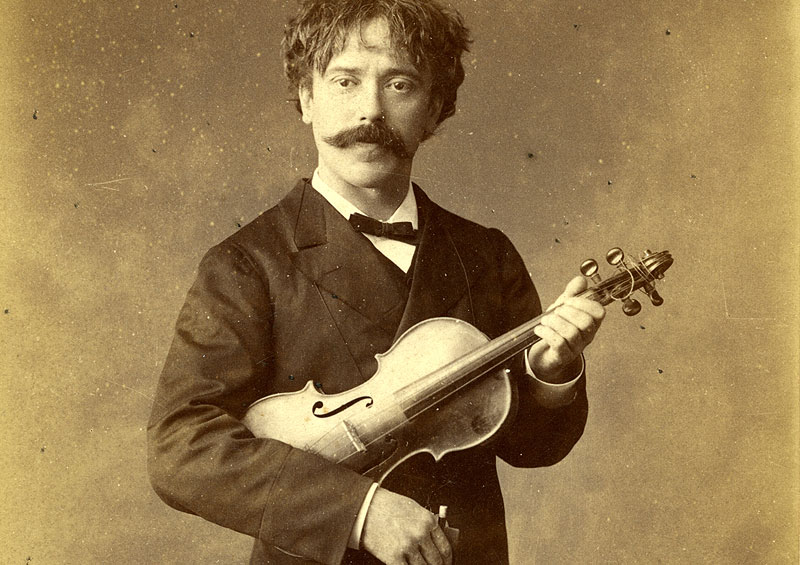
Pablo Sarasate was born 10 March 1844 in Pamplona, Navarre, the son of an artillery bandmaster. He began studying the violin with his father at the age of five and later took lessons from a local teacher. His musical talent became evident early on and he appeared in his first public concert in A Coruña at the age of eight.
His performance was well-received, and caught the attention of a wealthy patron who provided the funding for Sarasate to study under Manuel Rodríguez Saez in Madrid, where he gained the favor of Queen Isabella II. Later, as his abilities developed, he was sent to study under Jean-Delphin Alard at the Paris Conservatoire at the age of twelve.
There, at seventeen, Sarasate entered a competition for the Premier Prix and won his first prize, the Conservatoire’s highest honour. (There was not another Spanish violinist to achieve this until Manuel Quiroga did so in 1911; Quiroga was frequently compared to Sarasate throughout his career.)
Sarasate, who had been publicly performing since childhood, made his Paris debut as a concert violinist in 1860, and played in London the following year. Over the course of his career, he toured many parts of the world, performing in Europe, North America, and South America. His artistic pre-eminence was due principally to the purity of his tone, which was free from any tendency towards the sentimental or rhapsodic, and to that impressive facility of execution that made him a virtuoso. In his early career, Sarasate performed mainly opera fantasies, most notably the Carmen Fantasy, and various other pieces that he had composed. The popularity of Sarasate’s Spanish flavour in his compositions is reflected in the work of his contemporaries. For example, the influences of Spanish music can be heard in such notable works as Édouard Lalo’s Symphonie Espagnole which was dedicated to Sarasate; Georges Bizet’s Carmen; and Camille Saint-Saëns’ Introduction and Rondo Capriccioso, written expressly for Sarasate and dedicated to him.
Of Sarasate’s idiomatic writing for his instrument, the playwright and music critic George Bernard Shaw once declared that though there were many composers of music for the violin, there were but few composers of violin music. Of Sarasate’s talents as performer and composer, Shaw said that he „left criticism gasping miles behind him“. Sarasate’s own compositions are mainly show-pieces designed to demonstrate his exemplary technique. Perhaps the best known of his works is Zigeunerweisen (1878), a work for violin and orchestra. Another piece, the Carmen Fantasy (1883), also for violin and orchestra, makes use of themes from Georges Bizet’s opera Carmen. Probably his most performed encores are his two books of Spanish dances, brief pieces designed to please the listener’s ear and show off the performer’s talent. He also made arrangements of a number of other composers’ work for violin, and composed sets of variations on „potpourris“ drawn from operas familiar to his audiences, such as his Fantasia on La forza del destino (his Opus 1), his „Souvenirs of Faust“, or his variations on themes from Die Zauberflöte. In 1904 he made a small number of recordings. In all his travels Sarasate returned to Pamplona each year for the San Fermín festival.
Sarasate died in Biarritz, France, on 20 September 1908, from chronic bronchitis. He bequeathed his violin, made by Antonio Stradivari in 1724, to the Musée de la Musique. The violin now bears his name as the Sarasate Stradivarius in his memory. His second Stradivari violin, the Boissier of 1713, is now owned by Real Conservatorio Superior de Música, Madrid. Among his violin pupils was Alfred De Sève. The Pablo Sarasate International Violin Competition is held in Pamplona. (Wikipedia)
Following recording Zigeunerweisen is performed by Chrissie Telma Guðmundsdóttir (violin) and The Iceland Amateur Symphony Orchestra directed by Oliver Kentish.
This was recorded at Seltjarnarnes Church 16th of October 2016.
Thanks to Oliver and Chrissie who gave me a permission to publish this recording on the web.

(320Mbps / 24,4Mb)

Recorder: Sound devices 788
Mics: Neumann KM184 (NOS) & Line Audio OM1 (AB40) in 3m above orchestra. Sennheiser MKH20 for bass and Line Audio CM3 on soloist (Chrissie).
Location: 64.1485379,-22.0052351

More information:
Chrissie Telma Guðmundsdóttir
Oliver Kentish
The Iceland Amateur Symphony Orchestra

Read Full Post »

IMG_4449

The 10th of July 2015 I visited Ásbyrgi national park, in the north east Iceland.
I arrived around 9 pm. The weather was rather cold, with light drizzle rain. However there was a sport game on the old camp side held by the local community. Calls, yell and sheers from audience sounded fantastic in the echo from the surrounding cliffs. Mixed with the birdsong from the forest and the cliffs above it sounded like I was in another world.
I found a good place to record this amazing soundscape.
Soon I noticed a boring noise in the background from petrol power generator so the recording was shorter than I hoped .
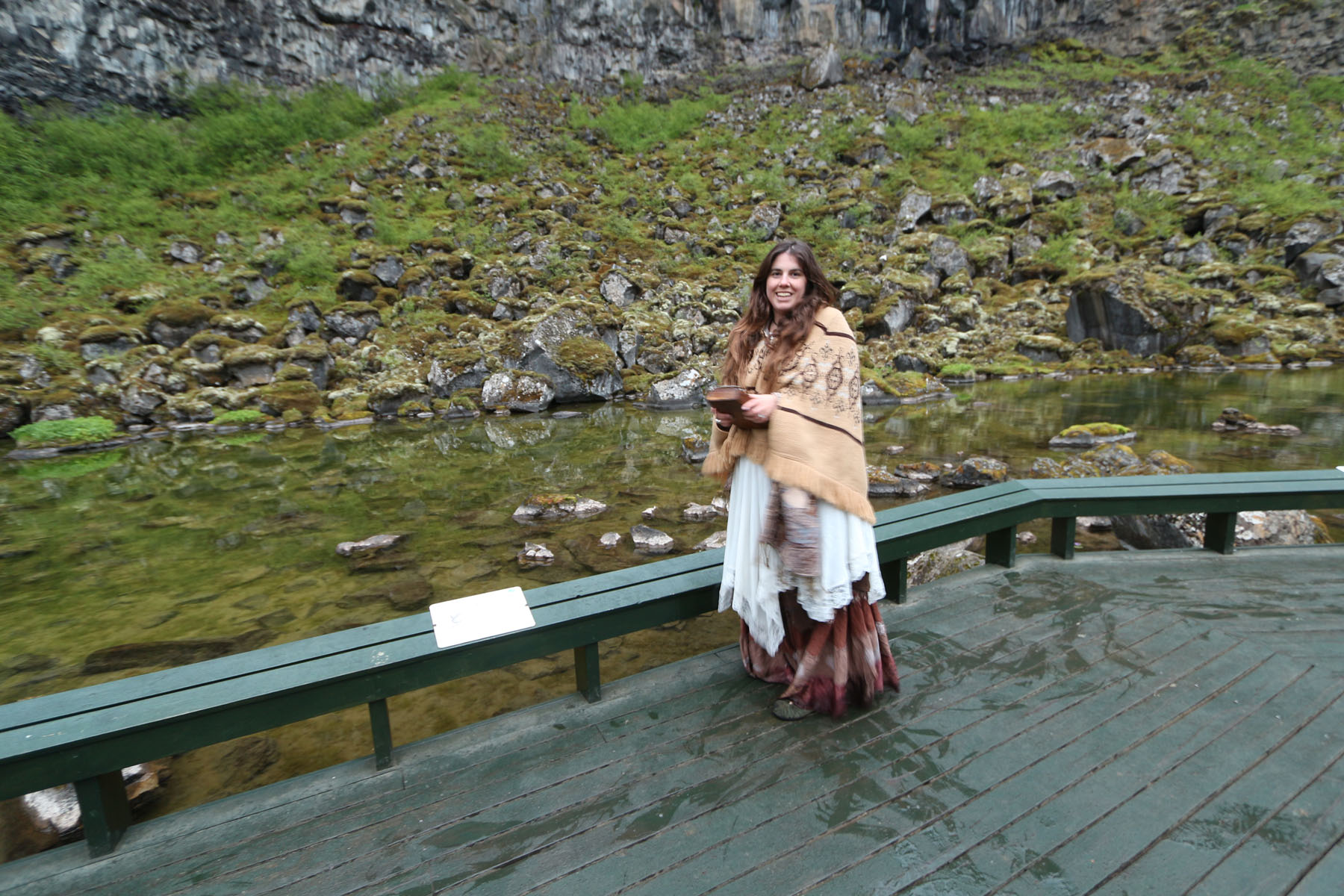
When I came back to the car park the sport game was finished and the people were leaving the place. I heard someone in the crowd playing on Mbira thump piano. It came from female in traditional dress. Her instrument sounded nice in this place, so I enjoyed listening while I was packing my gear in the car.
Some Icelandic male in the crowd called after her: ‘Where are you from?“
„I am from everywhere“ she repleted.
Funny answer, I thought and started to listen to the conversations. Why not record her while she was playing?
She gave me a permission, so we took a walk to Botnstjörn pound in the bottom of Ásbyrgi.
Her name is Jessica Rose, with nickname Fairy.
I did not dare to ask her about her nationality, but her English was from the west, maybe from Canada, or north east USA. She was traveling in Iceland with her sister and two friends.

Fairy in Ásbyrgi

Um miðjan júlí 2015 kom ég við í Ásbyrgi. Ég hafði gefið mér nægan tíma þar árið áður svo ég ætlaði ekki að að eyða þar miklum tíma heldur fara á aðra staði í þjóðgarðinum sem ég hafði „hljóðstað“ á.
Ég kom á bílastæðið í botni Ásbyrgis um kl. 21. Á gamla tjaldsvæðinu stóð yfir íþróttamót. Það var því óvenju mikið af bílum og fólki á svæðinu. Hvattningarköll áhorfenda bergmáluðu sérkennilega milli klettanna í bland við fuglasöng úr skóginum og fýlahjal ofan úr klettunum. Ég rauk því til og fann mér upptökkustað. En það leið ekki á löngu að suð frá bensínrafstöð á keppnissvæðinu fór að pirra mig. Upptakan var því styttri en til stóð.
Þegar á bílastæðið var komið var fólk að streyma af mótssvæðinu. Heyri ég þá að einhver spilar á þumalpiano sem hljómaði skemmtilega á þessum stað. Var þar á ferð dama að nafni Jessica Rose sem vildi láta kalla sig Fairy. Var hún þarna í félagsskap með systur sinni og tveimur öðrum vinum á ferð um landið.
Ég stóst ekki mátið. Ég fékk leyfi hjá henni til að taka tónlist hennar upp og var það gert á pallinum við Botnstjörn.

Download mp3 file (256kbps / 48Mb)

Recorder Sound devices 788
Mics: Rode NT1a (NOS) & Sennheiser MKH8020/8040 (ORTF)
Pic: Canon EOS M
Recording location: 65.998557, -16.513076
Weather: Drizzle rain, calm and about 9°C

Read Full Post »

IMG_0443

At Culture nights in Reykjavik the 23rd of august 2014 I was walking downtown with my recording gear. Reykjavik downtown was packed with people walking between events everywhere, in the streets, in galleries, restaurants, pubs and shops. I spent most of the day with AudioTechnica BP4025 on boom until I noticed that the sound was probably not as good as expected for music events. So I cycled home and changed to recently made „MKH20 binaural array„, hoping that it would give a better result.
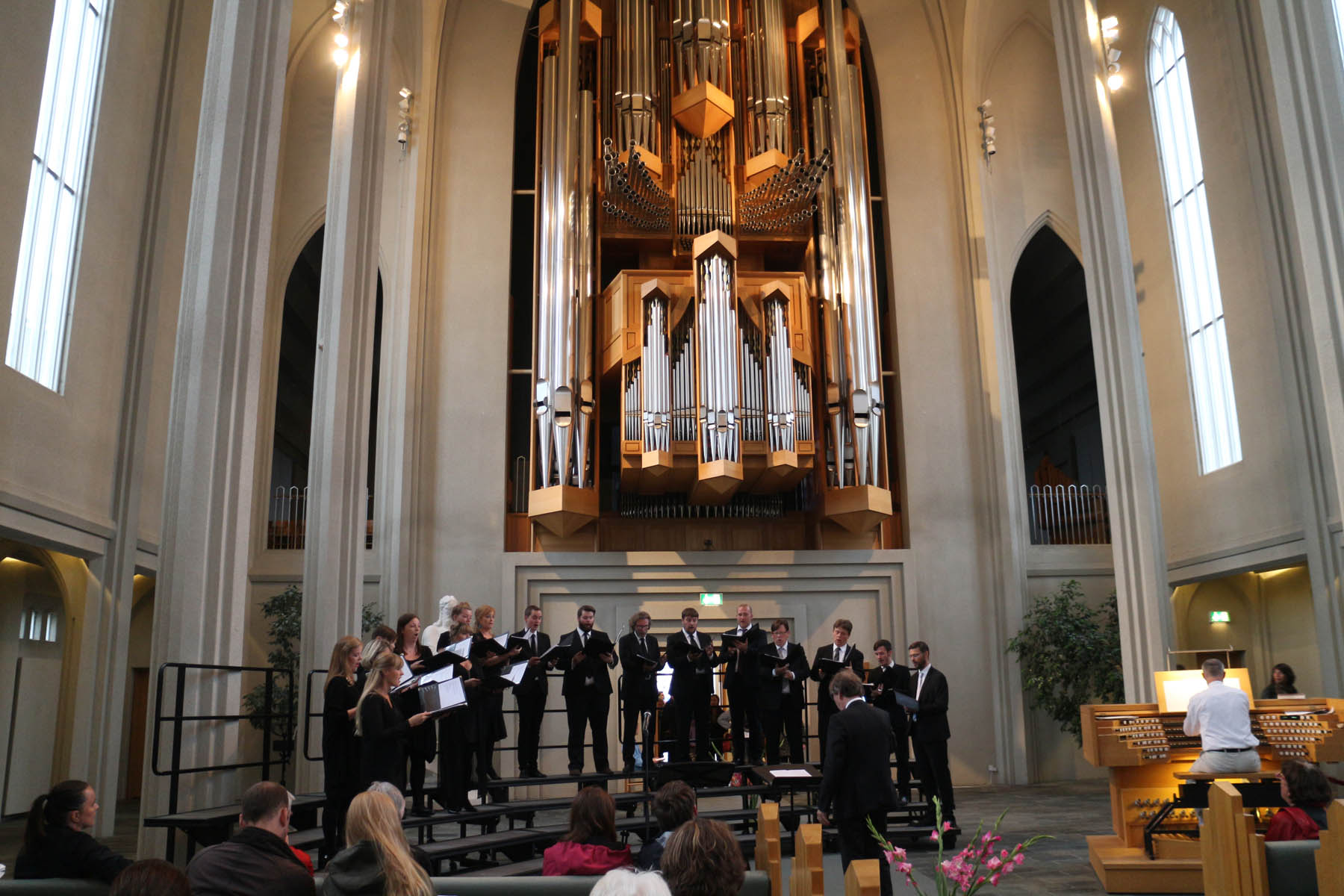
What interested me most was the six hour event in Hallgrímskirkja church. It was a music event with choirs, organ, sing along and many other kind of music. I spent almost two hours there recording to the end of the event. The last one was the choir Schola cantorum. This choir have beautiful voices and that evening they mostly sang hymn songs and prayers, some very old.
Even though I am completely nonreligious, their prayers and songs touched me deeply . It somehow reminded my all in one, of my childhood, the beautiful nature and the wonders of life .
As in a field recording this recording has its own character with average quality. But honestly, it is the most beautiful music I have ever recorded.
I was probably 15 meters from the choir. People walked trough the church siting down and listening for a while, then walking away all the time so you will hear lot of cloth rustling. Outside there was a huge downtown street party which can be heard during the last minutes of the last song when the side doors of the church was opened.
Quality headphones are recommended while listening.

Einlægur bænasöngur

Hér er á ferðinni upptaka sem tekin var upp á Menningarnótt 23. ágúst 2014 í Hallgrimskirkju. Þennan dag stóð þar yfir 6 tíma dagskrá sem kölluð var Sálmafoss, þar sem ýmsir flytendur komu fram. Í lokin kom fram kórinn Schola cantorum undir stjórn Harðar Áskelssonar með sálmalög og bænir.
Upptakan er lítilega samansett þar sem skarkali og drukknir menn trufluðu upptökuna nokkrum sinnum og tóku stemninguna alveg úr sambandi í þessum frábæra söng. Eftir stóðu þó fjórir sálmar sem eru þessir:

1. „Heyr himna smiður„. Sálmur eftir Kolbein Tumason (1173-1208) . Lag eftir Þorkel Sigurbjörnsson (1938-2013).

2. „Til þín, Drottinn hnatta og heima“. Sálmur eftir Pál V. G. Kolka (1895-1971). Lag eftir Þorkel Sigurbjörnsson (1938-2013).

3. „Vertu guð faðir faðir minn„. Sálmur eftir Hallgrím Pétursson (1614-1674). Lag eftir Jakob Tryggvason (1907-1999).

4. „Nú hverfur sól í haf„. Sálmur eftir Sigurbjörn Einarsson (1911-2008). Lag eftir Þorkel Sigurbjörsson (1938-2013).

„Nú hverfur sól í haf“ er svo endurtekið eftir að Sr. Jón Dalbú Hróbjartsson sóknarprestur fer með bænina „Faðir vor“, en þá gengur kórinn einn hring um kirkjuna og endar sönginn frammi í andyri. Á meðan á því stendur eru dyr kikjuskipsins opnaðar, en þá má heyra í því villta partýi sem fyrir utan var.
Upptakan er birt með leyfi kórsins.
Mælt er með því að hlusta á þessa upptöku í góðum heyrnartólum.

Download mp3 file (265kbps/35,5Mb)

Recorder: Sound devices 744
Mics: Sennheiser MKH20 (Binaural)
Pics. Canon EOS-M
Rec. Location. 64.141801, -21.926812

Read Full Post »

Older Posts »