Feeds:
Færslur
Athugasemdir

Posts Tagged ‘Tónlist’

IMG_2200

Oliver Kentish was born in London in 1954. He studied cello at the Royal Academy of Music in that city. In 1977 he came to Iceland to play with the Iceland Symphony Orchestra as a substitute and has taught since then. Oliver has been involved with the Icelandic Amateur Symphony Orchestra almost since its founding, first as a cellist, and then as the orchestra’s principal conductor and artistic director for about fifteen years. He currently teaches at the New Music School in Reykjavík.
In addition to teaching, Oliver is a prolific composer, is a member of the Icelandic Composers’ Association and has around three hundred compositions on the Icelandic Music Centre’s register. It is worth mentioning that in 1994 the British government commissioned a work from him as a gift to the Icelandic people on the occasion of the 50th anniversary of the Republic. This work, „Mitt folk“, for baritone solo and symphony orchestra is dedicated to the then President of Iceland, Vigdís Finnbogadóttir.
Oliver’s works have been performed throughout Europe, in the United States and in Russia, and some of them have found their way onto CDs, including with Helga Ingólfsdóttir, Rúnar Óskarsson, Duo Harpverk and Schola Cantorum.

Hrímhvíta móðir was commissioned by the Iceland Amateur Symphony Orchestra in 2024. The work‘s title is taken from a poem by one of Iceland’s most famous poets, Jónas Hallgrímsson (1807-1845) whose poem „Ísland farsælda frón“ is an ode to Iceland, the ‘frost-white mother’ of the title. The work is cast in the form of a concert overture, lasting just over 15 minutes and contains four well-known melodies familiar to most Icelanders. Two of the melodies can be said to be typically Icelandic; the so-called quint-song, which is a uniquely Icelandic vocal tradition where the melody is sung in parallel fifths and the voices cross over in the middle – to which the Hallgrímsson poem is famously set – and another melody, known as Lilja where the unusual intervals give the tune an ambiguous tonality. It is the combination of these two which comprises the climax of the work. The two other melodies which appear are a traditional lullaby, „Kvölda tekur“ and the hymn, „Allt eins og blómstrið eina“ which, however, is not an Icelandic melody; in the Icelandic hymnal the tune is named Antwerp, and dated 1540. The hymn‘s Icelandic text is by another giant of that country‘s poetry, Hallgrímur Pétursson (1614-1674). Even today, this hymn is an integral part of almost every funeral in Iceland.

I have been fortunate enough to get to know Oliver and the work of the Amateur Symphony Orchestra for more than decade and have been able to record almost all of the orchestra’s concerts, which often feature well-known and talented musicians and students. This has always been a fun winter hobby when there is almost nothing to do in field recordings in nature. During this time with the orchestra I have been able to develop my own recording methods, testing all kinds of setup and microphones. These methods generally aim to achieve the best possible recordings with the least possible equipment, taking into account the cramped conditions, fast and easy setting up and compiling. It must be admitted that this simplicity actually affects the quality of these recordings compared to what happens with released material today. But it is based on the simplicity that was common a few decades ago when few channels were used and the recording was allowed to stand without post-processing.
In recent years, these recordings have ended up on the orchestra’s closed website.
Most concerts have been recorded with four microphones in a fixed AB/NOS array at about 3 meters above the middle of the orchestra. Soloists have then been given two channels, usually with a parallel cardioid and omni mics.
The music that follows below was recorded on four channels (AB/NOS) at 3.2 meters above the Amateur Symphony Orchestra in October 2025 in Seltjarnarnes church.
In post-production, little was done other than giving the omni microphones a slight EQ of +/-2dB and using a compressor on the master. Mixed in Sennheiser HD650 headphone
Oliver kindly gave me permission to post this recording.
Quality open headphones are recommended while listening at any comfortable level.
If the media player doesn’t start to play, please reload this individual blog in a new tab or frame.

(mp3 256kbps / 31Mb)

Recorder: Sonosax SX-R4+
Mics: Nevaton MC59O in AB & MC59C in NOS
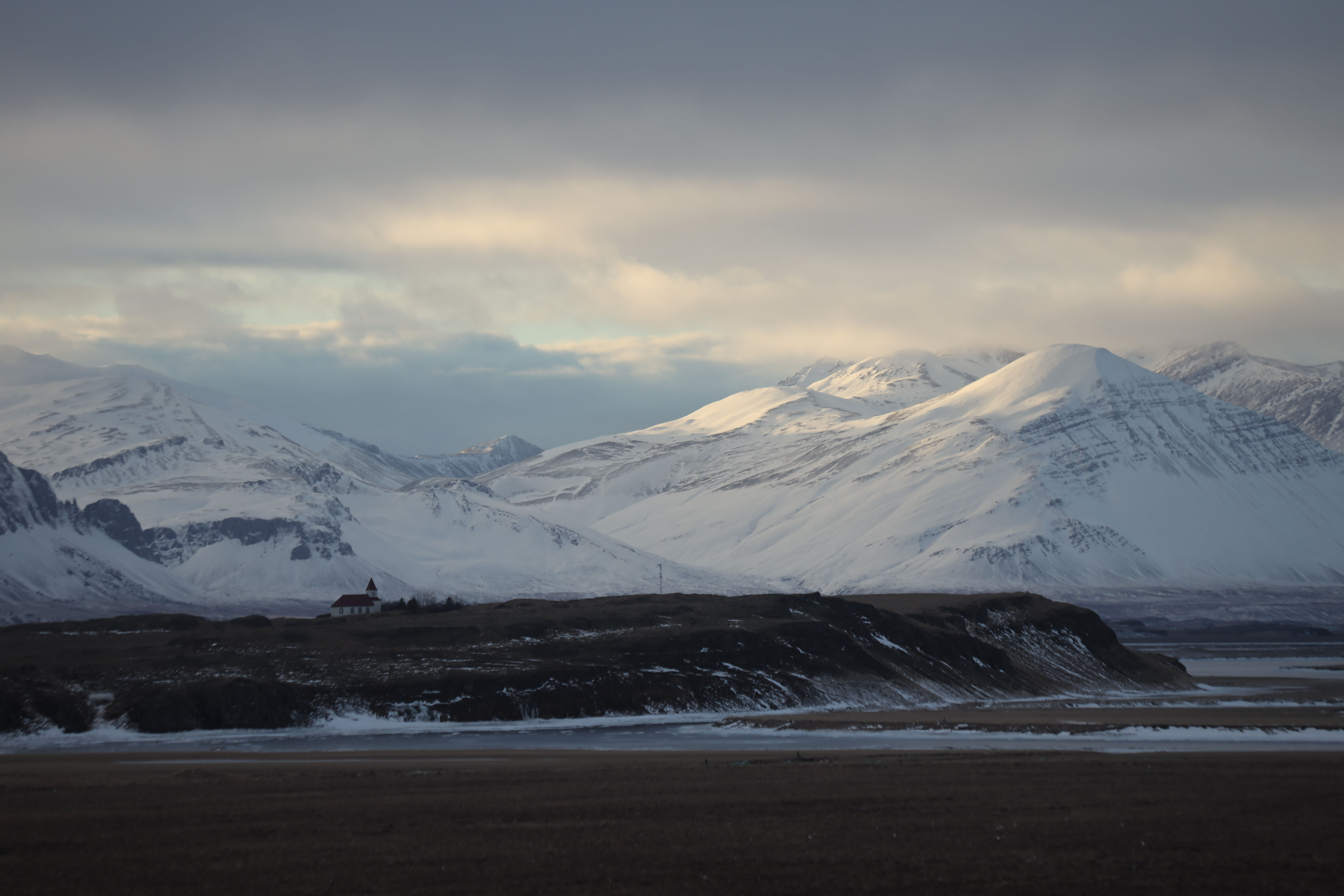
Pix: Canon EosR (Church in Stafholtstungur, west Iceland)

Location: Seltjarnarnes kirkja
Read Full Post »

IMG_2200

Here is an old recording that was found in storage after Dad died in 2011. Is it a recording that his parents, ie. my grandparents did, possibly in a few days, but there is one date, which is February 3, 1963.
My grandfather was Jón Björnsson (b.1903 – d.1985) from Karlsskála in Reyðarfjörður, east Iceland, but he lived most of his life in Reykjavík.
My grandmother Guðrún Bergþóra Bergsdóttir (b.1904 – d.1972) lived all her life in Reykjavík.
The reason for the recording was that Dad was studying electrical engineering in Germany. He was among the first engineering students who left Iceland to study in Europe after World War II.
Although there was a telephone between Iceland and mainland Europe, it was not possible for the public to make daily calls. But in those days it was customary to correspond and send letters. Around and after 1960, people began to acquire tape recorders and then the idea arose among Icelandic students to not only send letters, but also to use this new medium where people could hear the voices of their loved ones.
Unfortunately, not much of these recordings have survived, because tapes were expensive at these times. It was therefore customary to send the same tape back and forth with new recorded material each time. Something I unfortunately also did 10-20 years later with the cassettes.
Here in this recording, my grandfather and grandmother talk about the social life in Reykjavík, talk about the high frequency of accidents, possibly marine accidents that were almost a monthly occurrence, not least in the winter of those years. Then they talk about friends who are moving into a new flat, others having children and then others buying a new car. Grandfather talks about having a dream of me (Magnus) from when I was young, until I was old. Then he calls me, and asks me If I recognize his voice.
Then he mentions a beautifully carved cigar box that I inherited from my grandmother’s brother, Magnús Bergsson, who was a baker, but later went into the fishing industry with his son-in-law.
Most of the material on the recording is, however, mainly a recording from the Icelandic national broadcast service (RUV), which was at that time the only Icelandic radio station. The program was sent out on Long Wave so it could reach the whole country, but only during the day time.
Both grandparents enjoy listening to music and or dancing at all times and have fun. Therefore, you can hear both Icelandic piano music and Icelandic opera. At the end of the recording there is an educational episode about „automation“ in production and machinery, which my grandparents have been thinking my father would like to hear in Germany.
This recording below was in incredibly bad condition and of very poor recording quality. The volume was extremely fluctuating, probably because it wasn’t recorded on the same day. You could barely hear what was said in the recording due to the 50Hz hum and accompanying harmonics frequencies. Grandpa actually mentions in the recording that both the radio and the tape recorder are broken. The recorder even broke apart the tape so he had to fix it.
I was never able to clean this recording acceptably when I had the Izotope RX5 or RX8. It wasn’t until I got the RX10 that it went much better. However, I didn’t spend a lot of time cleaning everything or fixing it, simply because it would have changed the character of the bad sound quality that people were struggling with at these times. At least now you could hear what was being said.
The reason I released this recording on the web now, is that earlier this month it was 120 years since my grandmother was born.
I think it is worth mentioning that, some years ago I published another tape recording from the sixties, which was most likely a multimedia message from my parents in Germany to my grandparents in Iceland. It was from the Christmas 1964

(mp3 256kbps / 64Mb)

Recorder: unknown open reel deck.
Transferred from Revox B77 MkII to Sound devices 744 (24/48)
Mic. Unkown
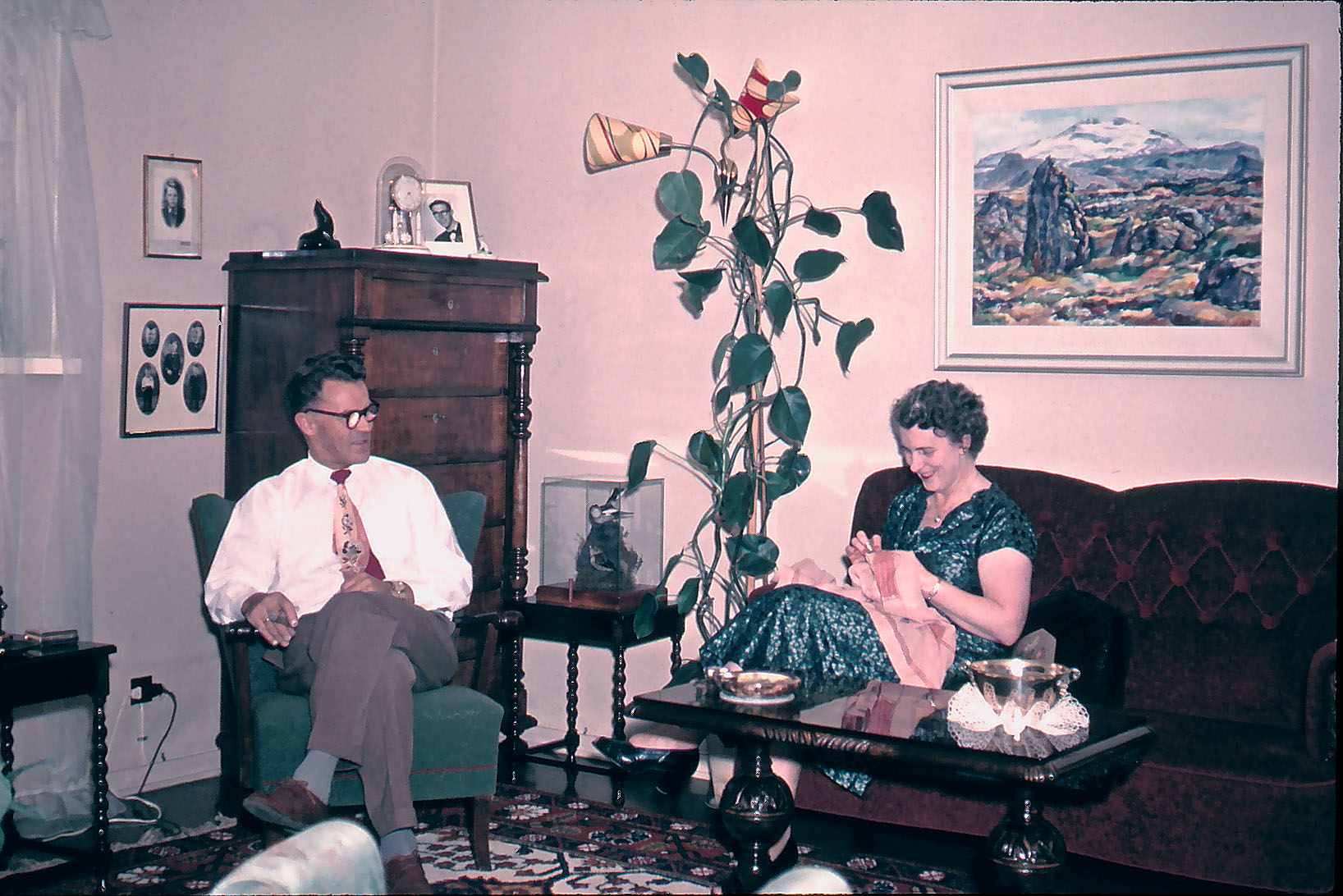
Pix: Jón Björsson and Bergþóra Bergsóttir at home, close to the year 1964

Recording location: Blönduhlíð 3. Reykjavik

Read Full Post »

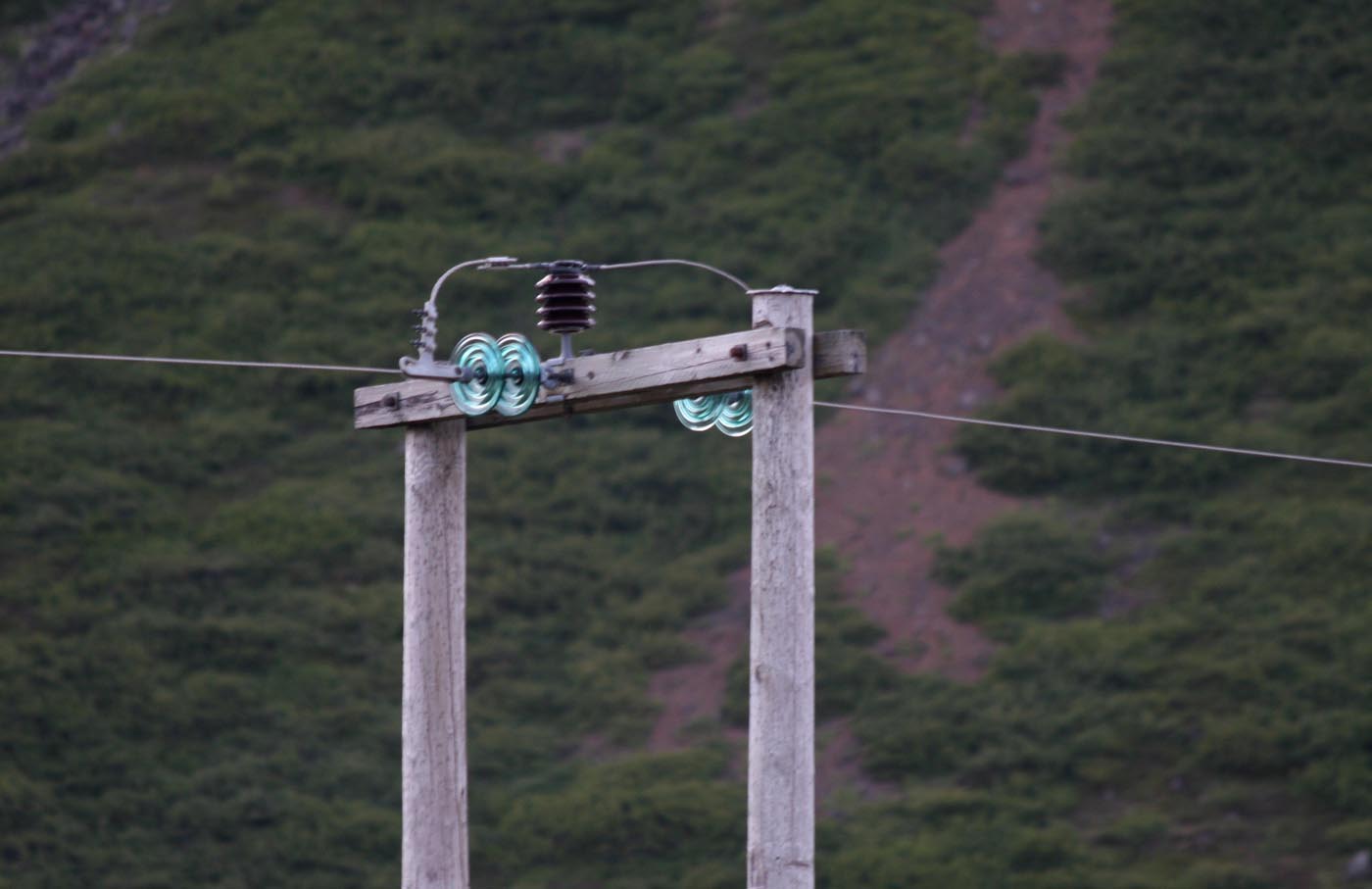
It is not every day when I am free from traffic noise. But when it happens it is possible to notice other small sounds in the surroundings.
That happened in beginning of June 2012 when I was at Krossholt at Barðastönd, in the northwest of Iceland.
One night someone was playing loud music in the neighborhood. The rumbling bass beat was noticeable all night along. During the night the wind started to blow from east with strong gusts. Suddenly nearby power line started to give a strange sound and the niggling beat from the neighborhood started to be interesting. In combination with the wind, power line, birdsong from the field and nearby cliff it started to be like a music from other planet. In fact it was a really interesting composition. Better than many modern human made compositions today. The intro is more than two minutes long, so just lay back in your chair, relax and listen.
High quality headphones are recommended.

Tónverk fyrir háspennustrengi, bassa, vind og fugla.

Það er ekki á hverjum degi sem maður fær frið frá þrúgandi véladrunum höfuðborgarinnar. En þegar það gerist þá opnast heimur ýmissa annarra hljóða sem venja er að framhjá manni fari. Það gerðist einmitt við Krossholt á Barðaströnd í byrjun júní 2012.
Nótt eina var einhver í nágrenninu að spila tónlist með þungum bassa alla nóttina. Rétt fyrir miðnætti tók vindinn upp og áttin breyttist. Þá gerðist það undraverða. Háspennulína í nágrenninu fór að klappa saman strengjum og gefa frá sér són. Skyndilega breyttust pirrandi taktföstu bassadrunurnar í skemmtilegan og framandi undirleik með strengjaleik háspennulínunnar. Söngur mó- og bjargfugla bættist svo við í bakgrunni eins og til að fullkomna tónverkið. Í fúlustu alvöru, þetta tónverk slær flestu því sem ég hef heyrt í langan tíma. Tónleikarnir stóðu frá kvöldi og langt fram undir morgun með ýmsum blæbrigðum með fjölbreyttu lagavali. Því miður tók ég aðeins upp tvö og hálft tónverk. Er fyrra heila tónverkið að finna hér.
Mælt er með að á þetta sé hlustað með góðum heyrnartólum.

Download mp3 file (192kbps / 34,7Mb)

Recorder: Sound Devices 744 (24bit/48Khz)
Mics: Rode NT1a.  NOS setup.
Pix: Canon 30D
Interesting link: Wired Lab

Read Full Post »

Þann 27. nóvember 2011 hélt Sinfóníuhljómsveit áhugamanna stórskemmtilega tónleika. Á efnisskrá voru Mozart og fleiri furðufuglar. Tónleikarnir einkenndust af skemmtiatriðum milli og á meðan flutningi tónverka stóð þar sem Dean Ferrell bassaleikari, Gissur Páll Gissurarson tenor og Oliver Kentish stjórnandi voru í aðalhlutverkum. Hluta af tónleikunum má sjá hér á Youtube.
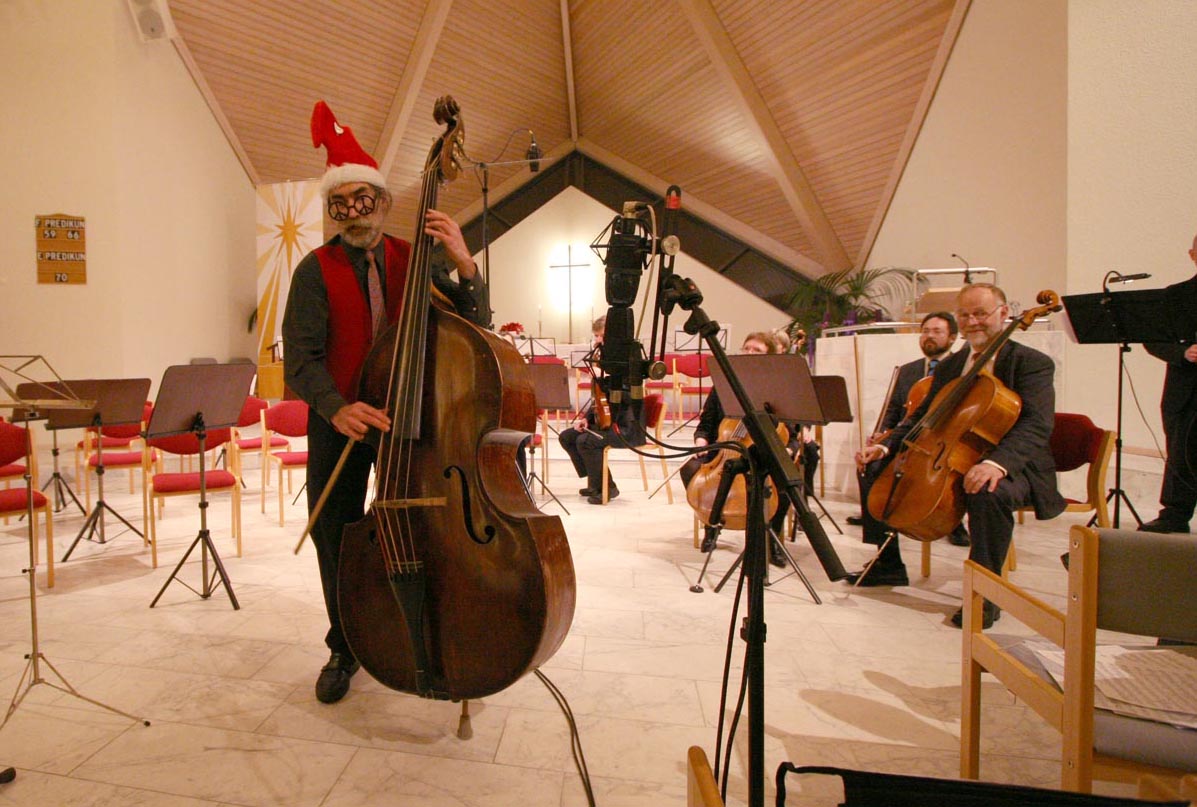
Tvö lög þar sem Dean Ferrell fer á kostum má heyra hér fyrir neðan. Fyrra lagið er The Pause of Mr. Claus eftir Arlo Guthri og seinn lagið er Menuett eftir Franz Anton Hoffmeister.
Dean er óvenulega fjölhæfur tónlistamaður. Hann leikur á fjölmörg bassahljóðfæri og er nánast jafnvígur á þau öll. Hann er sérfræðingur í afbrigðilegum stillingum kontrabassa (scordatura) og standa honum þar fáir á sporði. Hann hefur sótt fundi Alþjóðlega bassaleikarfélagsins undanfarin ár og getið sér þar frægð fyrir sérlega frumleg atriði sem finna má á Youtube. Þar sameinar hann afburða færni sína á hljóðfæri, leikræna tilburði og afrakstur rannsókna sinna á gamalli tónlist og hljóðfærum.
Lögin tvo sem hér má heyra eru birt með leyfi Dean og Olivers

________________________________________________

Arlo Guthri and Franz Anton Hoffmeister
In November 2011 I recorded a concert with Amateur Symphony Orchestra. Special guest and soloist in this concert was a Gissur Páll Gissurarson tenor and Dean Ferrell bass player. This concert was different from many others I‘ve seen and heard. Most of the time during the concert, Dean, Gissur and the director Oliver Kentish, were acting in a comedy.
Part of this concert is now visible at YouTube.
I have noticed that omnidirectional mics give the best result in sound quality. That is one of the reasons I use very often omnidirectional mics as Mid-side mic in MS setup.
In this concert I decided to use AB setup located over the orchestra.
For many reasons it gives a fabulous result. Compare using same multi polar pattern mics in MS setup it gives better result in the lower frequency resolution. The only negative thing was a bit too long reverb on the orchestra and too short on soloists. Six pieces of mics could also make a phase error.
At concert like this, I can´t act as a king. I need to make me as compact as I can. For many reasons I like that. It is a challenge to make a nice recording without be necessarily in the best place, or have a trailer of recording equipment.
During the concert I tried to beware the phase problem. But the soloist was “acting” almost everywhere. Most of the time they were far away from the best place for the mics so I got some phase failure.
Following two songs are made by Arlo Guthry (The Pause of Mr. Claus) and Franz Anton Hoffmeister (Menuett). In this recording Dean Ferrell bass player is singing and playing on his fabulous Bass. Violist, Celloist and Bass player in the orchestra are playing with Dean in the Menuett song.

  Download mp3 file (224kbps / 12.8Mb)

Recorder: Sound Devices 744 w. 552 preamp
Mics: SE4400 in AB setup. 60cm apart in 2.5 meters over the orchestra. For bass soloist, SE 4400 in MS setup (mid mic omni). For tenor, SE1a in XY setup (not used in this web session).
Pix: Canon 30D. (more pictures)

Read Full Post »

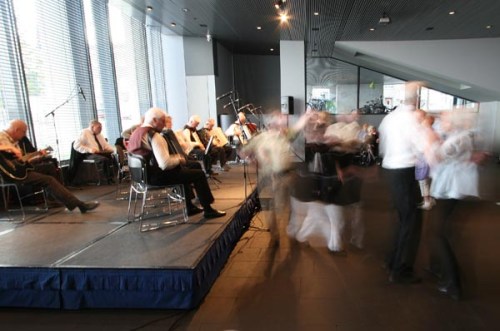
Það var mikið um að vera í miðbæ Reykajvíkur 17. júní 2011 á 200 ára afmæli Jóns Sigurðssonar. Fólk fjölmennti í bæinn og tók þátt í ýmsum viðburðum. Um kvöldið var harmónikkuball í Ráðhúsinu. Þangað mætti mikið af eldri borgurum og skemmtu sér konunglega við dans við undirleik Harmónikkufélags Reykjavíkur. Þegar ég mætti á svæðið með upptökutækið var farið að líða að lokum en margt fólk þeyttist enn um gólfið eins og um tvítugt væri.
Þess skal getið að leyfi fékkst fyrir að setja harmónikkuleikinn á vefinn.

________________________________________

Accordion ball in town hall
Icelanders keep the Independence Day at 17th of June. All over the country people was celebrating with all kind of entertainment such as concerts and dances and other things. Now this year in the evening, a accordion ball was held in the Reykjavik City Hall. The players in the accordion band were members in the Accordion club of Reykjavik (Harmonikufélag Reykjavikur). As usual mostly older people met at the ball to dance but younger people and shy pass by, watch and listen.
I went there and recorded the last part of the ball.
Here are two sessions. The first one I have the microphones far away from the band almost amid the crowd of the dancing people. In the second session I have the microphones close to the stages and the accordion band.

Sækja mp3 skrá. (192 kbps / 26,8Mb)
Sækja mp3 skrá. (192kbps / 38,8Mb)

Recorder: Zoom 4Hn / Sound devices 302 preamp.
Mic. Rode NT2a / NT55 (MS setup in Blimp)
Pix: Canon 30D (see more pictures)

Read Full Post »

Guitar on wall   Gítar á vegg

Mario Castelnuovo-Tedesco (1895 – 1968) fæddist í Flórens og starfaði fyrri hluta starfsævinnar á Ítalíu sem tónskáld og píanóleikari. Hann var af gyðingaættum og flúði til Bandaríkjanna árið 1939 með konu sinni og tveimur ungum sonum. Hann settist að í Hollywood, starfaði fyrir MGM Studios og samdi tónlist við fjölda kvikmynda. Hann samdi einnig mikinn fjölda annarra verka, þ.á.m. sjö óperur og yfir 300 verk fyrir gítar, þar á meðal tvo gítarkonserta og einn konsert fyrir tvo gítara. Tedesco var einnig eftirsóttur kennari, kenndi meða annarra John Williams, Henry Mancini og André Previn. Sá síðastnefndi lét eitt sinn þau orð falla að til þess að fá verkefni í kvikmyndaverum Hollywoods væri nánast skylda að vera nemandi Castelnuovo-Tedesco.
Hér er á ferðinni annar þáttur af þremur úr gítarkonsert nr. 1, í D dúr, ópus 99 sem saminn var fyrri hluta árs 1939 fyrir Andrés Segovia. Þessi annar þáttur sem byggður er á stefjum ítalskra þjóðlaga, er saknaðarfull kveðja til fósturjarðarinnar.
Þórarinn Sigurbersson spilar á gítar með Sinfóníuhljómsveit áhugamanna. Oliver Kentish stjórnar. Tónleikarnir voru haldnir 13. febrúar 2011 í Seltjarnarneskirkju
Bæði Þórarinn og Oliver gáfu leyfi fyrir því að þetta færi á vefinn.

___________________________________

I am so lucky to be able to train my self recording a symphony orchestra several times a year.
On 13th February 2011 was the Amateur orchestra playing Guitar Concerto, Op. 99 by Mario Castelnuovo-Tedesco. Here is second episode; Andantino Romanza.
Guitar player is Þórarinn Sigurbergsson. Director Oliver Kentish
Recorder: Korg MR1000 1bit/5,644Mhz with two Sound devices 302 preamps
Mic: one pair SE4400 (MS setup for orchestra) and one pair SE1a (X/Y setup for guitar)
Pix: Nokia N82 – in local store Tónastöðin

Sækja mp3 skrá (192kbps / 9,8Mb)

Read Full Post »

Ár hvert er dagur íslenskrar tungu. Er sá dagur haldinn á afmælisdegi  Jónasar Hallgrímssonar, þann 16. nóvember. Eru það helst skólar og fjölmiðlar sem halda deginum á lofti.
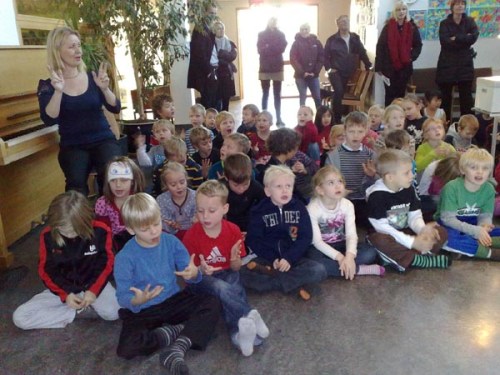
Þann 9. nóvember var foreldum annars bekkjar í Breiðagerðisskóla boðið í söngtíma barna sinna. Var það gert í tilefni þess að dagur íslenskrar tungu var í aðsigi. Það sem hér heyrist er söngur barnanna frammi í andyri skólans.

______________________________

This sound image was recorded in a short musical lesson in a children school. Parents were invited to listen the children´s song. Sadly a camera is “clicking” few times during the lesson.
Recorder: Olympus LS-10, 24bit/96Khz
Mic: MM Audio MM-HLSO, Binaural setup
Picture: Nokia N82

Sækja mp3 skrá.  (192kbps / 14Mb) 

Read Full Post »

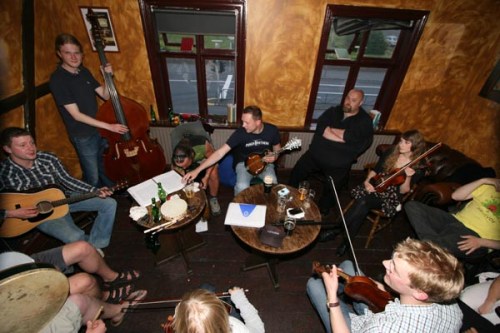
Hljóðfæraleikarar fjölmenntu á efstu hæð á Highlander á Lækjargötu 10, þann 15. júlí 2010.
Enginn virtist í stuði fyrst til að byrja með. En þegar fór að líða á kvöldið þá duttu menn í gírinn og þá birtust söngvarar, einn innlendur sem áður hefur sungið með þessum hópi og tveir erlendir ferðamenn sem óvart voru á staðnum.
Heyra má bluegrass, keltneska og skandinavíska tónlist að þessu sinni.
Sá hluti upptökunnar sem hér heyrist er frá seinni hluta kvöldins þegar menn voru komnir í gírinn og söngvarar voru farnir að þenja sig.
Upptakan þetta kvöld var á margan hátt ekki eins góð og þegar tekið er upp á neðri hæð kráarinnar. Stafar það helst af því að mikill umferðarhávaði kom inn um opna glugga, rýmið er stærra en niðri og fleiri hljóðfæraleikarar, sem voru í talsverðri fjarlægð. Það er því nokkur gjallandi í upptökunni.
Tekið var upp á Korg MR1000 með Sound device 302 formagnara í 24bit/192Khz. Hljóðnemarnir voru Sennheiser MKE-2 Gold Lavalier og uppsetning þeirra Binaural. Að vanda þá voru hljóðnemarnir festir við gleraugaspangir mínar rétt við eyrun. Það má því mæla með að fólk noti góð heyrnartól þegar hlustað er á upptökuna sem og aðrar Binaural upptökur.
Myndir frá þessu kvöldi má sjá hér.
Aðrar upptökur með þessum hljóðfæraleikurum má svo heyra hér.
Þess skal getið að þeir sem áhuga hafa á að spreita sig við að spila svona tónlist eru velkomir í þennan hóp en hann æfir flest fimmtudagskvöld á Highlander.

Sækja mp3 skrá (192kbps /  31,8Mb)

Sækja mp3 skrá (192kbps / 29,2Mb)

Read Full Post »